
Your recovery, week by week.
Two stages. Tap one to jump in.
Weeks 1–4
Early healing
Month 2+
Scar remodeling
❦
Early healing
Compression · positioning · incision care · medication tracking
Scar remodeling
Silicone therapy · sunscreen · moisturizer · lymphatic massage
Recovering from a specific surgery?
Tummy tuck Mommy makeover BBL Liposuction Breast aug & lift Face & neckMost needed right now
The first-week basics most patients reach for.

Medical gauze pads
View on Amazon →

Vaseline
View on Amazon →

Compression garment
View on Amazon →

Abdominal binder
View on Amazon →
As an Amazon Associate, Recovery Blueprint MD earns from qualifying purchases. General education only, not medical advice. Follow your surgeon's instructions.
Part 1 · You did it
The hard part is done. Now, let's focus on healing.
Your surgery is behind you, and you made it through. The next few weeks are about rest, gentle movement and a few simple habits. You've got this. Tap a step to jump to it.
1 · Have these ready
Your recovery supplies.
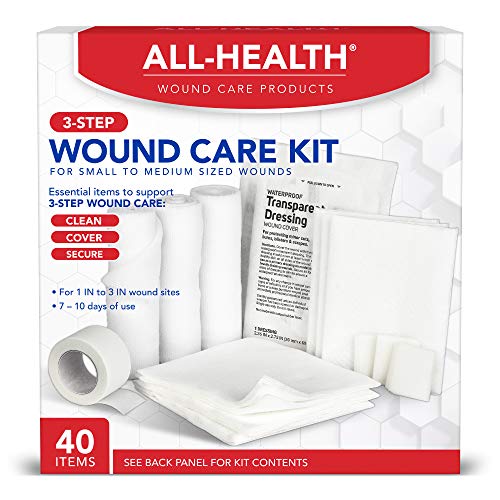
Wound care

Surgical bra
Breast surgery
Soft, steady support.
Shop bras →
Binder
Tummy tuck
Firm hold for your belly.
Shop binders →
Compression socks
Every surgery
Keep blood moving in your legs.1
Shop socks →

Wear compression day and night, off only to shower, unless your surgeon says otherwise.
Also helpful


2 · Get up and move
The more you move, the faster you bounce back.
Walk
Every 1–2 hoursShort walks while you’re awake.
+
Water
Sip all dayAim for pale yellow pee.
+
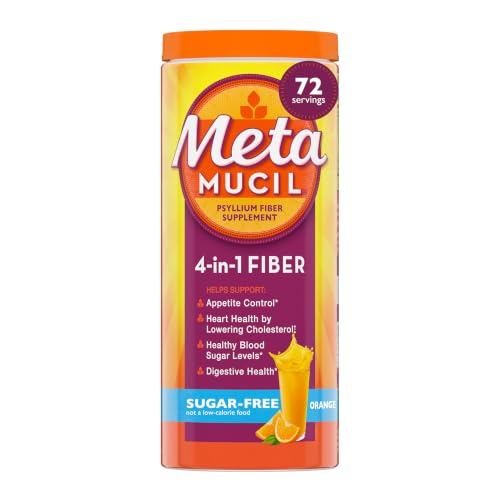
Fiber
Every dayWith a big glass of water.
=
You
Bounce back✓ Blood keeps moving
✓ Your gut wakes up
✓ Fewer problems2
✓ Back to life sooner2
Pain pills slow your gut. Ask your surgeon about a stool softener or laxative while you take them.3
Keep moving

3 · Plan your pain & symptoms
A simple plan keeps you calm.
1
Set it up
Fill a pill organizer before surgery, so every dose is ready.
2
Follow the schedule
Your surgeon may mix a few kinds of pain medicine. Take each one the way they planned it.
3
Write it down
Log each dose, your pain, and when you poop. Bring it to your check-up.
Stay organized


4 · Know when to call
Normal, or call?
Normal
✓ Some swelling and bruising
✓ A little pink or clear drainage
✓ Mild redness at the edges
✓ Tired and sore for a while
Call your surgeon
! Fever over 101°F
! Redness that spreads
! Pus or a bad smell
! The cut opens
! One leg swollen or sore
Call 911 for chest pain or sudden trouble breathing.
Part 2 · Scar care · Month 1 to year 1
Your scar, step by step.
A scar keeps changing for a year or more. What you do in the first few months shapes how it looks for good. Here is the plan, in order, with the reasons behind each step.
Weeks 2–3
ClosedThe cut seals. Ask if you can start silicone.
→
Months 1–3
Red & raisedYour scar is at its busiest. Daily care matters most.
→
Months 3–12
FadingIt turns flatter, softer and lighter.
→
12–18 months
MatureThis is about how it will stay.
01
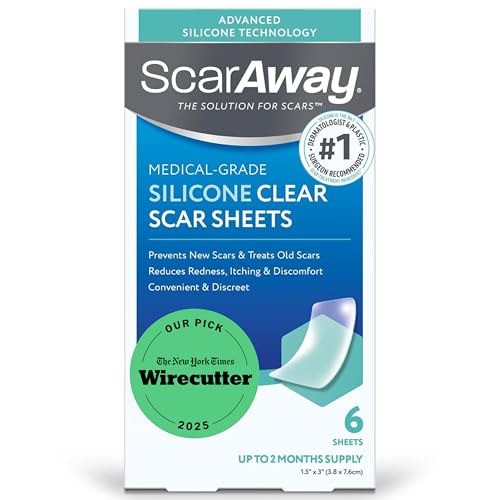
Silicone: the first step
Silicone is the most proven home scar care. It holds moisture in the skin, which helps a scar stay flatter and softer.4 Start once your cut is fully closed and your surgeon says yes. See the full routine in our incision and scar care guide.
✓ Wear it 12+ hours a day4
✓ Keep going 2+ months4
✓ Sheets or tape for flat areas
✓ Gel for the face, joints and curves

02
Moisture: soft skin heals better
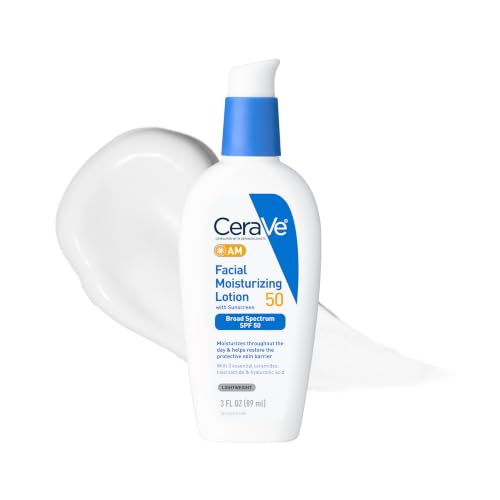
Dry skin pulls and itches. While the cut is healing, your surgeon may want a thin layer of ointment on it. Once it is closed, a plain, fragrance-free moisturizer keeps the skin around the scar soft.
✓ Ointment early, if your surgeon OKs it
✓ Fragrance-free lotion once closed
✓ Skip perfumed creams on new scars


03
Massage: gentle, and only when cleared
Gentle massage can help a tight scar feel softer and can move swelling along. Wait until your surgeon clears you, then use light pressure for a few minutes a day.
✓ Wait for your surgeon’s OK
✓ Light pressure, small circles
✓ For face swelling, ask about lymphatic massage

04
Sun: protect it for a full year
New scars burn and darken easily, and sun marks on a scar can last. Keep it covered with clothing, or use sunscreen every day it is out in the sun.
✓ SPF 30+ on any scar in the sun
✓ Reapply every 2 hours outdoors
✓ Keep it up for the first year
Your scar care calendar
Step
Weeks 1–2Healing
Months 1–3Busiest
Months 3–12Fading
SiliconeOnce closed
–
✓
✓
MoisturizeOintment, then lotion
✓
✓
✓
MassageWhen cleared
–
✓
✓
SunscreenEvery sunny day
✓
✓
✓
✓ = usually part of the plan. Your surgeon has the final say on timing. Need gauze, dressings or tape? They're all in the Infirmary.
Recovery Blueprint MD earns a small commission from Amazon links, at no extra cost to you. General education only, not medical advice.
Sources
- Sachdeva A, et al. Graduated compression stockings for prevention of deep vein thrombosis. Cochrane Database Syst Rev. 2018;11:CD001484.
- Tazreean R, Nelson G, Twomey R. Early mobilization in enhanced recovery after surgery pathways: current evidence and recent advancements. J Comp Eff Res. 2022;11(2):121-129.
- Crockett SD, et al. AGA guideline on the medical management of opioid-induced constipation. Gastroenterology. 2019;156(1):218-226.
- Mustoe TA, et al. International clinical recommendations on scar management. Plast Reconstr Surg. 2002;110(2):560-571.
Prepare → Procedure → Recover
Still have pre-op steps ahead of you?
Go back to the preparation roadmap for nutrition, supplements, conditioning and home setup before your surgery date.