

Liposuction is one of the most popular cosmetic procedures, and for good reason. For the right person, it reshapes stubborn areas that haven't responded to diet and exercise and creates a slimmer, more proportional shape.10,12 A great result depends on more than the operating room, though. How you prepare in the weeks before surgery, and how you care for yourself in the weeks after, makes a real difference.
This guide walks you through it in order: what liposuction can and can't do, how to get your body ready, and what recovery looks like, from compression and movement to fluids, nutrition and pain control. Every clinical point is sourced or marked "ask your surgeon," because your surgeon's instructions always come first.
Having fat moved to your buttocks too? That's a BBL, and it has its own sitting rules and safety issues. Read the BBL recovery guide instead. Having loose skin removed from your belly? See the tummy tuck guide.
How products are selected: each product fits a category that is commonly recommended after liposuction. Some links below are affiliate links. As an Amazon Associate, Recovery Blueprint MD earns from qualifying purchases, at no extra cost to you. This article is education, not medical advice. Your surgeon's instructions for garments, showering, massage and activity always come first.
The short version
✓ Know what it's for. Liposuction contours stubborn fat in people near a stable weight. It isn't a weight-loss treatment.10,12
✓ Prepare your body. Reach your goal weight, eat plenty of protein, take the vitamins your surgeon approves and start fiber before surgery.
✓ Compression at all times. A binder or faja, foam pads, compression socks, and arm sleeves if your arms were treated, worn day and night.
✓ Keep moving and keep drinking. Short walks often, and a large water bottle always within reach.8,9
✓ Stay ahead of pain. Plan a multimodal approach with your surgeon and take doses on schedule.

One click · Free guide
The Lipo + BBL Recovery Kit
20 essentials: Nutri protein shake, chocolate · Weekly pill organizer · Medication and supplement log · Disposable bed pads · Sterile dressing kit · ABD medical pads · Lipo foam pads · Faja compression · Post-lipo arm compression sleeves · Compression stockings · Adjustable abdominal binder · Silicone scar sheets · Vaseline · BBL pillow · Miralax laxative powder · Docusate stool softener · Olly Women's Multivitamin · Nature Made Zinc · Electrolyte drink mix · U-shaped body pillow
Add the whole kit to your Amazon cart →Some surgeons supply the faja or binder, so remove anything you're given from your cart.
01
The basics
What liposuction can do for you
Liposuction removes fat from specific areas that don't respond to diet and exercise.10 It is most often used to contour the abdomen, waist, hips, thighs and buttocks, and it can also treat the back, upper arms, chest, inner knees, calves and ankles, and the cheeks, chin and neck.12 The goal is a slimmer, more proportional shape.12
What it isn't
Liposuction isn't a weight-loss method or a treatment for obesity, and it doesn't treat cellulite.10,12 Think of it as sculpting, not shrinking. That's exactly why the weeks before and after surgery matter so much.
Who tends to get the best results
✓ Adults within about 30% of their ideal weight, with firm, elastic skin and good muscle tone13
✓ Healthy people without medical conditions that can impair healing13
✓ Nonsmokers and non-vapers13
✓ People with specific goals for body contouring13
Skin that is soft and thin from stretch marks, weight loss or aging won't reshape as well.12 If that sounds like you, ask your surgeon whether removing loose skin, such as with a tummy tuck, would serve you better.
Choose your surgeon with care
How much fat and fluid is removed, and how you're monitored afterward, both matter. A national patient-safety advisory recommends overnight monitoring after large-volume liposuction, defined as 5 liters or more.3 Ask your surgeon how much they plan to remove and where you'll recover.
02
Before surgery
Preparing your body
The healthier you are going in, the smoother recovery tends to be. Use the weeks before surgery to set yourself up well.
Reach your goal weight first
Liposuction works best when your weight is stable.10 Aim to reach your goal weight before surgery, not after, and then hold it there. Results usually last a long time when you maintain your weight, and fat can change if you gain later.10
Build up your nutrition
Your body uses protein to rebuild tissue, and appetite is often low for the first few days after surgery. Build the habit now: protein at every meal, with a shake for busy days. In a 2026 study of 200 tummy tuck patients, those who took extra protein for two weeks after surgery had fewer wound openings and fewer fluid collections. It compared past patients rather than running a trial, but it's one more reason to keep protein high.14
Vitamins and supplements, with your surgeon's OK
A daily multivitamin and zinc can help cover gaps in your diet while you heal. Some people also add Juven, a drink mix made for wound-healing support that combines arginine, glutamine and HMB with vitamin C and zinc. Tell your surgeon about every medicine, supplement and herb you take, because some, such as blood thinners, may need to be stopped before surgery.10
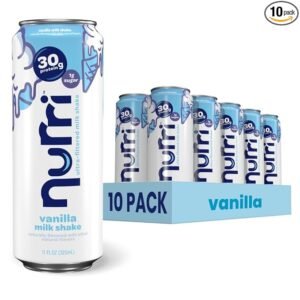
Protein
Nutri protein shake
Easy protein before and after surgery, for the days your appetite is low.
View on Amazon →
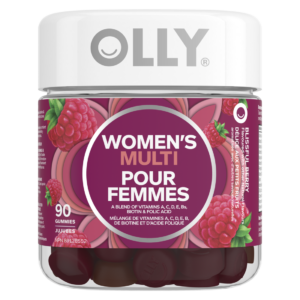
Ask your surgeon
Olly women's multivitamin
Helps cover gaps in your diet while you prepare and heal.
View on Amazon →
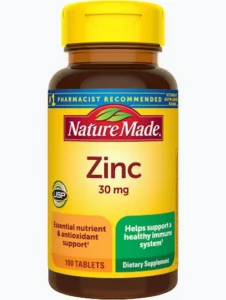
Ask your surgeon
Nature Made zinc
Zinc plays a part in wound healing. Confirm the dose and timing with your surgeon.
View on Amazon →
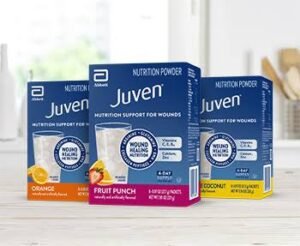
Ask your surgeon
Juven nutrition drink mix
A drink mix made for wound-healing support, with arginine, glutamine, HMB, vitamin C and zinc.
View on Amazon →
Start fiber before surgery
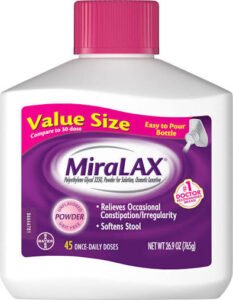
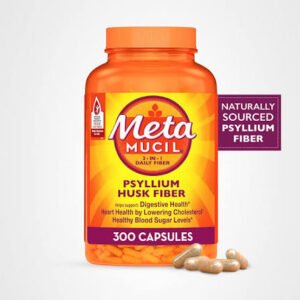
Pain medicine often causes constipation, and straining is the last thing you want with a sore, swollen belly. Many patients start a fiber supplement such as Metamucil, or a gentle laxative like Miralax, a few days before surgery and keep taking it while on opioid pain medicine. Ask your surgeon which they prefer.
Start before surgery
Miralax laxative powder
Softens stool so you don't have to strain. Mixes into your water bottle.
View on Amazon →
Start before surgery
Metamucil fiber
Psyllium fiber that keeps things moving. Drink plenty of water with it.
View on Amazon →
Plan your pain control
Liposuction is more uncomfortable than many people expect. Some pain, swelling and bruising are normal, and medication may be needed in the first week.6,10 Ask your surgeon for a multimodal plan, which combines different kinds of pain relief so each works better and you need less of the strongest medicine. Fill your prescriptions before surgery day.
Set up your home
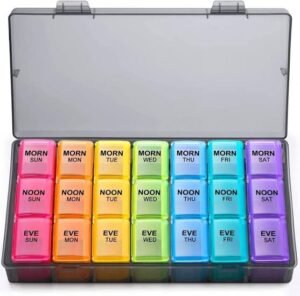
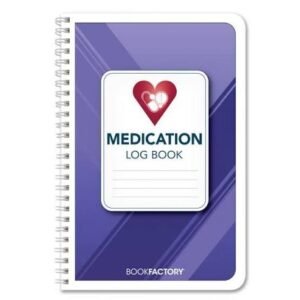
Arrange a ride home and someone to stay with you for at least the first night.10 Fill a pill organizer, start a medication log, and put everything you'll need within reach of your bed or couch.
03
After surgery
Compression, around the clock
Compression is the backbone of liposuction recovery. You'll wear a compression garment or elastic wrap over the treated areas to control swelling and help your skin settle onto its new shape.6,9,10 Expect about four to six weeks of wear.9 In the early weeks, keep it on at all times, day and night, taking it off only to shower.
What to wear, by area
✓ Abdominal binder or faja for the belly, waist, flanks and back
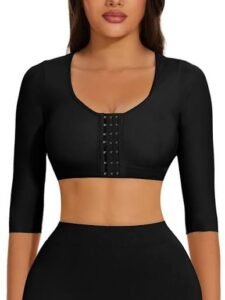
✓ Arm compression sleeves if your upper arms were treated
✓ Compression socks or stockings on your legs, as part of clot prevention
✓ Lipo foam pads under the garment over every treated area
Pick the style that fully covers your treated areas. Your surgeon may send you home with a basic garment. A second one with softer fabric, smoother seams or easier bathroom access lets you wash one while you wear the other. Don't switch to a smaller size early just to feel tighter.
How it should fit
✓ Snug, not painful. Firm and even, with no deep digging lines.
✓ Smooth. Wrinkles and folded edges press into swollen skin and can leave marks. Smooth it out every time you use the bathroom.
✓ Not cutting off circulation. Numbness, tingling or color change means loosen it and call.
✓ Covers the treated areas fully. A garment that ends right at a treated area can create a ridge.
Research on garments is still mixed, and a poorly fitting garment can cause discomfort or skin problems,4 so fit matters as much as wear time.
Foam pads: shaping while you heal
Foam pads sit under your garment and spread pressure evenly over the areas where fat was removed. They help keep compression even, smooth out the garment's edges and support the new contour while swelling settles. Keep them flat and smooth, since a folded edge can mark swollen skin.
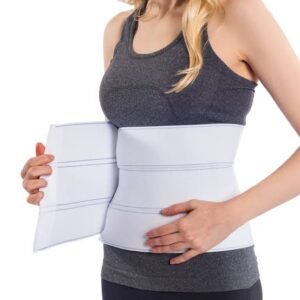
Must-have (if not supplied)
Adjustable abdominal binder
Firm, adjustable compression for the belly and waist, easy to put on and take off.
View on Amazon →
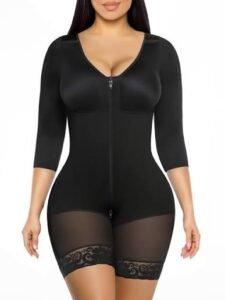
Must-have (if not supplied)
Faja compression garment
Full-coverage compression for the torso and thighs. Check the size chart against your measurements.
View on Amazon →
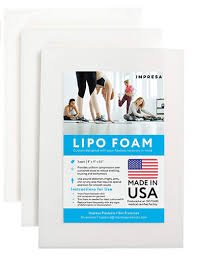
Must-have
Lipo foam pads
Soft foam under your garment that evens out pressure over treated areas.
View on Amazon →
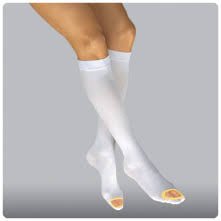
Must-have
Compression stockings
Graduated compression for your lower legs, part of clot prevention while you're moving less.
View on Amazon →
Arms treated? Add a compression sleeve
A post-lipo arm sleeve is the simplest way to get smooth compression from the upper arm toward the elbow. Look for soft edges and a fit that doesn't bunch at the armpit.
Later: gentle massage, once you're cleared
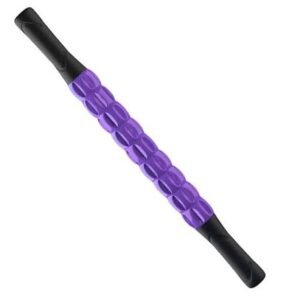
Some surgeons add gentle lymphatic massage later in recovery, often around six weeks or whenever they clear you, to help move leftover fluid. It's optional, and the research on it is still small,5 so it never replaces your garment. If your surgeon OKs massage at home, use light, slow strokes in the direction they show you, and keep any tool off incisions until they've healed. Skip deep kneading, massage guns and any spot that's hot or newly painful.
04
Movement
Stay up and moving
Getting up and walking soon after liposuction is one of the most helpful things you can do. Walking helps limit swelling and helps prevent blood clots in your legs.8,9 Rest is important, but long stretches in bed are not.
What that looks like
✓ Short walks around your home every hour or two while you're awake, starting as soon as your surgeon allows
✓ Point and flex your feet often when you're lying down
✓ Ask before long car or plane trips in the first weeks
✓ Save strenuous exercise for about four to six weeks, or until your surgeon clears you6,9
Your surgeon sets your clot-prevention plan based on your personal risk, and compression socks are a simple part of it.3
05
Fluids
Expect drainage, and stay hydrated
Liposuction uses a large amount of numbing fluid, and some of it drains back out through the small incisions. Oozing for several days is normal,9 and it's often pink or red-tinged. Some surgeons leave incisions open or place small drains to help the fluid out.10 It can be a lot, so set up before surgery.
Have these ready
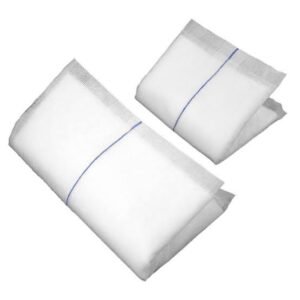
✓ Absorbent ABD pads or gauze to cover the incisions
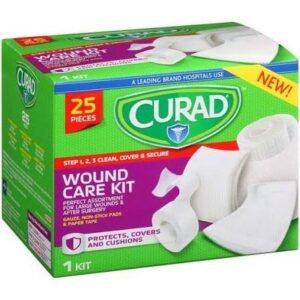
✓ A sterile dressing kit for dressing changes
✓ Disposable bed pads and dark towels on your bed, couch and car seat
✓ Loose, dark clothes that open in the front
If you have a drain, you may be asked to record how much fluid collects.6 Keep that log next to your pill organizer. Ask when you can shower, and have help the first time, since many people feel lightheaded when the garment comes off.
Drainage
Sterile ABD pads
Thick, absorbent pads that cover leaky incisions under your garment.
View on Amazon →
Dressings
Sterile dressing kit
Everything for dressing changes in one box.
View on Amazon →
Leak-proofing
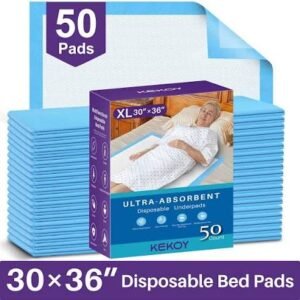
Disposable bed pads
Protect your bed, couch and car seat from early pink-tinged drainage.
View on Amazon →
Drink, drink, drink
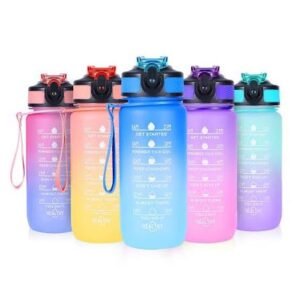
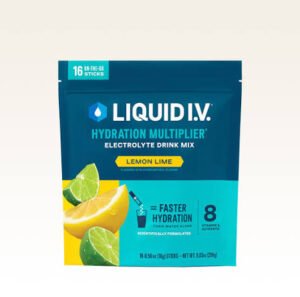
Between the fluid used during surgery and the fluid you lose afterward, staying hydrated matters. ASPS lists drinking plenty of fluids as part of a safe recovery.8 Keep a large water bottle within reach and sip all day. Plain water works well. If you're tired of it, an electrolyte mix such as Liquid I.V., Nuun or Ultima adds flavor, but it's still just a drink, not a substitute for walking or your clot-prevention plan. If you have heart or kidney problems, follow your surgeon's fluid instructions, and ask whether to limit salty foods, which can make you hold on to fluid.
Liposuction recovery kit
Want everything in one place?
See every recovery pick, from compression and leakage care to hydration and protein, organized by stage.
06
Nutrition
Keep eating well, and keep things moving
Healing takes fuel. Keep up the protein, multivitamin and zinc your surgeon approved, and lean on small, frequent meals and shakes while your appetite is low.
Keep taking fiber or Miralax while you're on opioid pain medicine. Staying regular keeps you comfortable, because bloating and straining hurt after abdominal liposuction, and feeling lighter makes it easier to keep moving.
07
Comfort
Stay on top of pain
Liposuction can be a painful recovery, especially the first several days. The goal is to stay ahead of pain rather than chase it, because pain that's under control makes it easier to walk, breathe deeply and rest.
How to stay ahead
✓ Take scheduled doses on time, and set a phone alarm for the first few nights
✓ Combine medicines exactly the way your surgeon directs (the multimodal plan)
✓ Log every dose so nothing is missed or doubled
✓ Keep your compression on and keep walking; garments have been linked to less pain after belly procedures4
✓ Call your surgeon if pain suddenly gets worse or your plan isn't controlling it
08
What to expect
Swelling and your recovery timeline
Swelling often makes you look bigger before you look smaller, and that's normal. It peaks around 48 hours, mostly settles in two to three weeks, and mild swelling can linger for up to about four months. Bruising usually fades in 7 to 10 days.9 Numbness in the treated skin is common and usually temporary.10
Your surgeon's instructions always come first. These are typical ranges from ASPS and The Aesthetic Society.
Days 1–3
Rest, but walk short distances often. Garment on. Expect drainage, soreness, swelling and bruising. Stay ahead of pain and keep drinking. Have a helper for the first night and first shower.6,9
Week 1
Limit your activity, keep walking. Drainage slows. Swelling can shift around, so a spot that looked flat yesterday may look puffy today, and that's normal. Many people with desk jobs go back to work within a few days to a week.6,9,10
Weeks 2–3
Back to work for most jobs (later for physical jobs). Keep exercise light.6
Weeks 4–6
Compression usually continues to about four to six weeks, and your surgeon decides when you switch to a lighter garment. Strenuous exercise waits until about then, or until your surgeon clears you.6,9
Months 2–6
Your shape keeps refining as the last swelling fades.7,9
09
Results
Seeing and keeping your results
Your new contour shows as swelling fades, so expect to wait at least several months for your final result.7,9 Try not to judge it in the mirror at week two. Results usually last a long time if you maintain a stable weight,7,10 so the habits you built before surgery (protein, hydration and regular movement) are the ones that protect it.
Care for the tiny incisions
Once each incision has fully closed and your surgeon says yes, silicone scar sheets or gel can help small scars settle. In randomized trials, silicone gel improved scars after chest surgery, and sheets and gel worked about equally well on cesarean scars.15,16 Gel is easier on curved or moving spots. Keep healed skin moisturized with a fragrance-free lotion, and never put scar products on open or leaking sites. For the full routine, read our incision and scar care guide, and find dressing supplies in the Infirmary.
Once healed
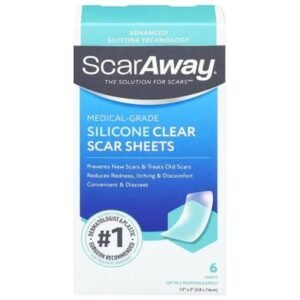
Silicone scar sheets
Cut-to-size sheets for small, fully closed incisions.
View on Amazon →
Once healed
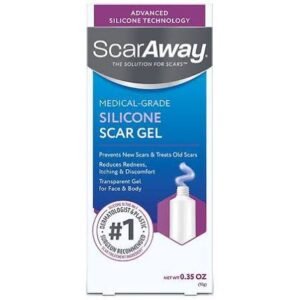
Silicone scar gel
Easier on curved or moving spots where a sheet won't stay put.
View on Amazon →
Once healed
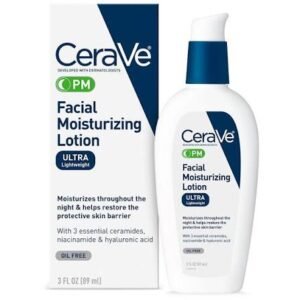
Fragrance-free moisturizer
Keeps healed skin comfortable without irritating scents.
View on Amazon →
Rebuild your strength
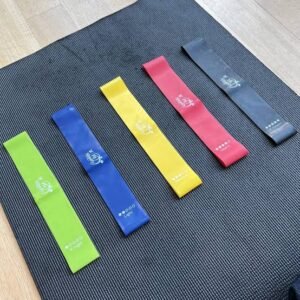
Once your surgeon clears you for exercise, often around four to six weeks,6,9 light resistance bands are an easy, low-space way to ease back into strength work at home. Think of your result as something you care for, not something to obsess over.
10
Save your money
What you can skip
Lymphatic massage is optional, not a must. The research so far is small and hasn't shown a clear benefit over a garment alone.5 If your surgeon recommends it, choose a licensed therapist trained in post-surgical care.
✕ Waist trainers or store-bought shapewear in place of your surgeon's garment
✕ Several garment sizes before surgery. Wait to hear what your surgeon provides.
✕ Heat or ice directly on numb skin without asking first
✕ Massage guns or skin-tightening devices in the early weeks
✕ Detox teas, "lymph" supplements and diuretics
✕ A BBL pillow, unless you're also having fat transfer to the buttocks
Printable checklist
Your liposuction recovery kit
Screenshot it, print it, or check items off as you shop.
Buy before surgery
☐ Abdominal binder or faja (if your surgeon doesn't supply one)
☐ Arm compression sleeves (if your arms are being treated)
☐ Lipo foam pads
☐ Compression socks or stockings
☐ ABD pads or gauze, and a sterile dressing kit
☐ Disposable bed pads and dark towels
☐ Large reusable water bottle (and an electrolyte mix, if you like)
☐ Protein shakes and easy snacks
☐ Multivitamin and zinc (with your surgeon's OK)
☐ Fiber (such as Metamucil) or Miralax
☐ Pill organizer and medication log
☐ Loose, dark, front-opening clothes
Ask your surgeon
☐ Your pain plan, and filling prescriptions early
☐ Which supplements to take or stop, and when to start fiber
☐ Your clot-prevention plan
☐ When you can shower
☐ Whether you need lymphatic massage
☐ When to return to work and exercise
Later, once you're cleared
☐ Switching to a lighter garment stage
☐ Strenuous exercise, then resistance bands to rebuild strength
☐ Silicone scar sheets or gel, once incisions have closed
☐ Massage or devices on treated areas
11
Good to know
What's not normal, and when to call
Most liposuction recoveries go smoothly. In one large study, about 7 in 1,000 people had a major complication after liposuction alone, with higher rates when it was combined with other procedures.1 It still helps to know what isn't part of a normal recovery.
Call your surgeon
• Pain, swelling, warmth or redness in one calf or leg11
• Fever, spreading redness, pus or a bad smell from an incision
• Bright red bleeding that keeps soaking through, or swelling that grows quickly on one side
• A fluid-filled bulge that keeps growing (a seroma)10
• Numbness, tingling or color change under your garment
Call 911
• Sudden shortness of breath, chest pain, a racing heartbeat, fainting or coughing up blood11
This guide is education, not medical advice. Bring any major question to your surgeon, and if you're unsure, call. They would much rather hear from you early.
Common questions
How long do you wear a compression garment after liposuction?
Most people wear one for about four to six weeks, according to The Aesthetic Society.9 Wear it as much as possible early on; your surgeon decides when you can take it off and switch to a lighter garment.
How long does fluid leak after liposuction?
A little oozing and fluid from the small incisions (ports) is common for several days.9 It's usually pink or red-tinged and slows over time. Call your surgeon if bright red blood keeps soaking through, or if leakage comes with fever, spreading redness or a bad smell.
When will I see my liposuction results?
You'll see some change early, but your final shape shows as swelling fades, which can take several months.7,9
Do I need lymphatic massage after lipo?
Not usually as a must. The research is small and hasn't shown a clear benefit over wearing a garment alone.5 If your surgeon recommends it, use a licensed therapist trained in post-surgical care.
When can I go back to work and exercise after liposuction?
Many people return to a desk job within a few days to two weeks.6,9 Strenuous exercise usually waits about four to six weeks, or until your surgeon clears you.6,9 Walking starts right away.9
References
10. Mayo Clinic. Liposuction (Tests & Procedures). September 19, 2024. Accessed October 9, 2026.
Reviewed by the Recovery Blueprint MD team. Last updated October 2026.
This guide is general education, not medical advice. Every patient and procedure is different, and your surgeon's own instructions should always take priority. If you have sudden shortness of breath, chest pain or a racing heartbeat, call 911. For fever, swelling in one leg, bleeding that keeps soaking through your dressings, spreading redness or a bad smell from an incision, contact your surgeon's office promptly. As an Amazon Associate, Recovery Blueprint MD earns from qualifying purchases.