
If you have a BBL on the calendar, you've probably been told two things that sound like they can't both be true: don't sit down, and don't take off your faja. Add a feed full of "BBL must-haves," from foam boards to lymphatic massage packages, and it's easy to end up with a cart full of things you won't use and no plan for the things that really matter.
This guide sorts it out. A Brazilian butt lift (BBL) is liposuction plus fat grafting to the buttocks, so you're recovering from two things at once: the areas where fat was removed and the area where it was placed. Below you'll find a stage-by-stage road map, what to buy before surgery, what to ask your surgeon about first and what can wait. Because BBL carries real risks, the last section covers the warning signs every patient should know before surgery day. Having liposuction on its own? The liposuction recovery guide is the better fit.
How products are selected: each product fits a category that is commonly recommended after BBL. Some links below are affiliate links. As an Amazon Associate, Recovery Blueprint MD earns from qualifying purchases, at no extra cost to you. This article is education, not medical advice. Your surgeon's instructions for sitting, garments, sleep, showering, massage and activity always come first.
The short version
✓ Buy before surgery: a BBL pillow, a compression garment (faja) in the style your surgeon wants, absorbent pads for the first few days and everything you'll want within arm's reach.
✓ Ask your surgeon first: lymphatic massage.
✓ Wait until you're cleared: sitting directly on your buttocks, sleeping on your back, exercise and scar care.
✓ Know the warning signs: sudden shortness of breath, chest pain or a racing heartbeat means calling 911, not waiting for your follow-up. The full safety section is at the end of this guide.
✓ Short on time? Jump to the printable checklist and bring it to your pre-op visit →
One click · Free guide
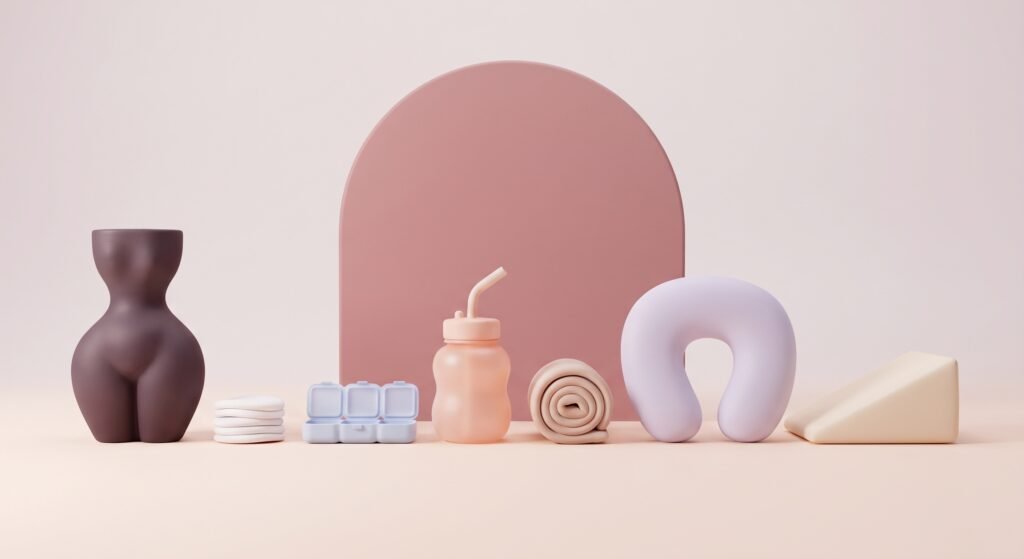
The Lipo + BBL Recovery Kit
20 essentials: Nutri protein shake, chocolate · Weekly pill organizer · Medication and supplement log · Disposable bed pads · Sterile dressing kit · ABD medical pads · Lipo foam pads · Faja compression · Post-lipo arm compression sleeves · Compression stockings · Adjustable abdominal binder · Silicone scar sheets · Vaseline · BBL pillow · Miralax laxative powder · Docusate stool softener · Olly Women's Multivitamin · Nature Made Zinc · Electrolyte drink mix · U-shaped body pillow
Add the whole kit to your Amazon cart →Some surgeons supply the faja or binder, so remove anything you're given from your cart.
01
Road map
Your BBL recovery, stage by stage
Every surgeon and every patient is different, but this is how recovery commonly unfolds. Each stage lists what to have ready, so you can shop once and stop worrying about it.
1–2 weeks before
Shop while you feel well. Ask what your surgical team already provides, set up your sleep nest and bedside station, and fill your pill organizer. Don't order a garment by clothing size alone.
Have ready: BBL pillow · Faja · Lipo foam pads · Body pillow · Compression stockings · Pill organizer
Days 0–3
Rest face down or on your side, short walks around the house, garment on, absorbent pads ready, medications on schedule and plenty of fluids. Pink fluid leaking from the small incisions is common. Most patients stay home for the first several days.8
Have ready: Bed pads · ABD pads · Water bottle · Protein shakes · Electrolyte mix
Days 4–14
Pain usually eases over the first several days.8 No direct sitting; use the BBL pillow when you must sit. Many people return to desk work and driving around days 10–14,7 once they're off sedating pain medicine. Keep up short walks and stay ahead of constipation.
Have ready: BBL pillow · Grabber tool · MiraLAX · Stool softener · Compression stockings
Weeks 2–6
Garment close to 24/7 as your surgeon directs, then often daytime only. A second faja makes laundry day easy. Sitting returns gradually, as your surgeon allows. Bruising fades, but swelling lingers; check the skin under your garment every day.
Have ready: Second faja · Lipo foam pads
Weeks 6–8
Exercise is often cleared around six to eight weeks.6,7 Sitting and back-sleeping may return on your surgeon's schedule. Scar care can start on fully closed incisions if your surgeon agrees.
Have ready: Silicone scar gel · Silicone scar sheets · Sunscreen
Months 3–6
Your shape settles. By about three months the risk of losing grafted fat has largely passed, and your contour keeps refining as swelling resolves over three to six months.7,8 A small MRI study measured about 24–36% of the grafted fat reabsorbed by three months, so compare photos taken at regular intervals rather than judging day to day.15 Keep your weight stable and return to strength training once cleared.
Have ready: Silicone scar gel · Sunscreen · Fragrance-free moisturizer
02
Sitting
The BBL pillow: how to sit without sitting on your results
Pressure on freshly grafted fat can affect how much of it survives and how even your result looks, which is why surgeons limit sitting after BBL.6,8 Guidance varies. One major society advises avoiding prolonged sitting for about two weeks, with some surgeons preferring longer.6 Another notes that many surgeons don't allow sitting at all for the first 10 to 14 days, except on the toilet and to eat, and advise avoiding direct pressure for about eight weeks.7 A sensible default: no direct sitting on your buttocks for about two to three weeks unless your surgeon says otherwise. Your surgeon's protocol always wins.
When sitting can't be avoided, a BBL pillow shifts your weight onto the backs of your thighs so your buttocks stay off the seat.6,8 What to look for: firm foam that doesn't flatten after a few days, enough height to clear your buttocks when your thighs rest on it, a removable, washable cover, and a size you can carry to the car, the table and appointments.
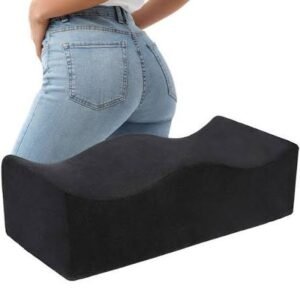
Many people go back to desk work and driving after about 10 to 14 days, using the pillow whenever they sit.7 If your job means long hours in a chair, ask your surgeon about a standing desk or extra time off before you book your dates.
The ride home
Ask your surgeon before surgery how they want you positioned for the ride home and your first follow-up visits, and bring your BBL pillow. Always wear your seatbelt, and don't drive while you're taking sedating pain medicine or before your surgeon clears you.
03
Compression
Your faja and foam: compression for the liposuction areas
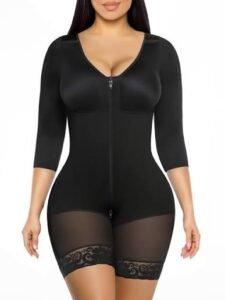
Because a BBL starts with liposuction, you'll wear a compression garment, often called a faja, over the areas where fat was removed. Expect to wear it around the clock at first; your surgeon will tell you for how long and whether you need other garments.6 A common pattern is close to 24/7 for the first two to six weeks, off only to shower, then daytime wear after that. There's no single timeline that's right for everyone, so follow your own surgeon's plan.
It helps to know the research is thinner than the confident advice online suggests. A 2023 review of compression garments across plastic surgery found mixed evidence, with the clearest benefit for pain after breast and abdominal procedures, and listed real downsides: discomfort, skin problems and slower blood flow in the leg veins.9 That's a good reason to get the fit right rather than to go tighter.
What to look for: the stage and style your surgeon recommends (many practices send you home in a first garment), sizing by your own measurements rather than your usual clothing size, a front zipper or hooks you can manage alone, and an open crotch for the bathroom. Ask how your surgeon wants the buttock area covered. Two garments let you wash one while wearing the other.
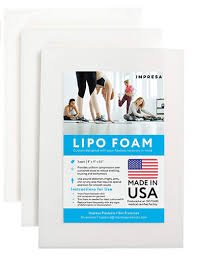
Foam pads and boards
Soft foam pads worn under the garment in the first weeks spread pressure evenly over the liposuction areas and soften the lines from seams and zippers. Some surgeons also use firmer boards on the abdomen or back.
Check your skin daily
Look at the skin under your garment and foam every day. Blisters, broken skin, deep marks that don't fade, or numbness or tingling in your legs are reasons to call your surgeon about the fit.
04
Sleep
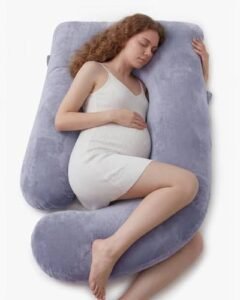
Sleeping on your stomach or side
Lying on your back puts your full weight on the grafts, so surgeons usually ask you to sleep face down or on your side until you're cleared.6,8 That's harder than it sounds, especially when the liposuction areas on your stomach and flanks are sore too.
A few things help: a long or U-shaped (pregnancy-style) body pillow, or a couple of firm pillows behind you, so you don't roll onto your back in your sleep, a pillow under your shins when you're face down, and a waterproof mattress protector in case of leakage overnight. Some patients use an inflatable float with a cutout so they can rest on their back without pressure on the buttocks;8 ask your surgeon before you try one.
05
Drainage & hygiene
The first few days: leakage, showers and the bathroom
The liposuction incisions are small, but many patients notice fluid leaking from them in the first days, so ask your surgeon what's normal and when to call. Plan for it anyway: disposable bed pads for the mattress and car seat, dark towels and sheets you don't mind staining, and absorbent pads inside your garment where it leaks. Some surgeons also place drains; if you have them, you'll get instructions for caring for them and when they'll come out.6
Leakage
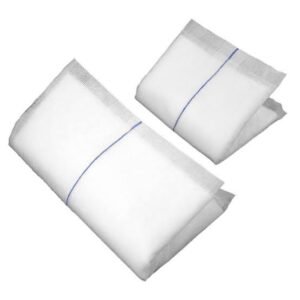
ABD absorbent pads
Thick, absorbent pads to tuck inside your garment over leaking incisions, or for dressing changes if your team asks.
View on Amazon →
Leakage
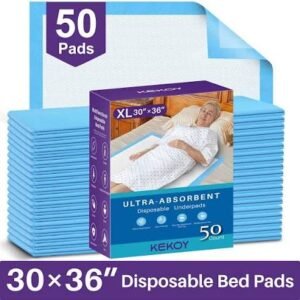
Disposable bed pads
Protect your mattress, couch and car seat from early pink-tinged drainage.
View on Amazon →
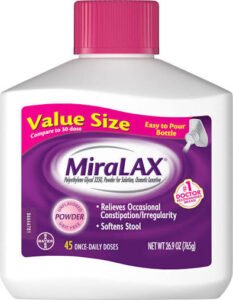
Bathroom
MiraLAX powder
Ask your surgeon about starting it before surgery, especially while you're taking opioid pain medicine.
View on Amazon →
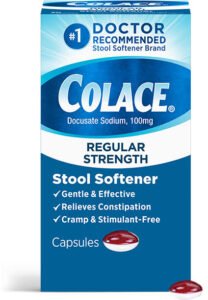
Bathroom
Docusate stool softener
Softens stools so you don't strain. Ask your surgeon whether to take it with or instead of MiraLAX.
View on Amazon →
Showering: when you can shower depends on your surgeon. The first shower is a common time to feel lightheaded, so have someone at home, keep it short and lukewarm, and get out and lie down on your side if you feel faint.
The bathroom: using the toilet is usually allowed even when other sitting isn't,7 but keep it brief. An open-crotch garment makes this much easier. Pain medication and less movement can cause constipation, so ask your surgeon before surgery whether they recommend fiber, a stool softener or polyethylene glycol (MiraLAX). Starting before you need it also helps you avoid straining.
06
Walking
Short walks and blood clot prevention
Deep vein thrombosis (a blood clot in the leg) is one of the listed risks of buttock surgery,10 and lying still for hours doesn't help. Surgeons commonly encourage short walks around the house in the first days,8 building up as you feel able. Walking is also the one position that puts no pressure at all on your grafts.
Compression stockings are a simple part of clot prevention, so have a pair ready before surgery. If your surgeon prescribes stockings or a blood thinner, use them exactly as directed.
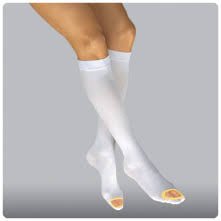
Know the clot signs
Pain, swelling or warmth in one calf means calling your surgeon right away. Sudden shortness of breath or chest pain means calling 911.
07
Within reach
Bedside setup, hydration and protein
When you're lying on your stomach or side, every trip out of bed is a production. Before surgery, set up one station with your phone, an extra-long charging cable, lip balm, snacks, the TV remote and your medications as prescribed. A weekly pill organizer keeps the schedule straight when you're sore and tired, and a large water bottle with a straw is far easier to drink from while lying on your side. If plain water gets boring, an electrolyte mix can make drinking easier. Follow your surgeon's fluid instructions, and ask first if you have heart or kidney problems or a fluid restriction.
Add a grabber (reacher) tool to that station. When you can't sit and bending over is uncomfortable in a fresh faja, it lets you pick up whatever slides off the bed without climbing down to the floor. Then keep making the trips that count: walking to the bathroom and kitchen is part of your recovery, because moving your legs keeps blood flowing and helps prevent clots.
Healing tissue relies on enough protein, calories and fluids, and appetite is often low in the first week. Ready-to-drink protein shakes cover the days when a full meal feels like too much. A 2026 tummy tuck study found fewer wound-healing problems in patients who started protein supplements early after surgery; it wasn't a BBL study, but it's one more reason to keep protein easy.12 Some people also add Juven, a drink mix made for wound-healing support with arginine, glutamine, HMB, vitamin C and zinc. It doesn't replace your shakes, so ask your surgeon before you add it. For the science, see the guide to nutrition before surgery. Some supplements can affect bleeding, so review everything you take with your surgeon well ahead of your date; the guide to supplements to stop before surgery covers the common ones to ask about.
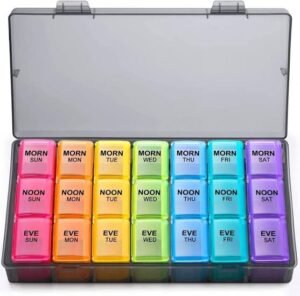
Medication schedule
Weekly pill organizer
Fill it before surgery so every dose is ready when you're sore and tired.
View on Amazon →
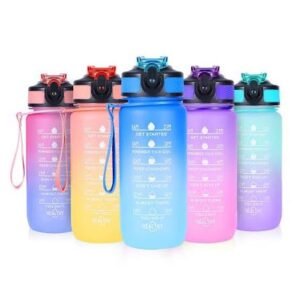
Stay hydrated
Large reusable water bottle
Keeps a full day of water by the bed, so you aren't getting up for refills.
View on Amazon →
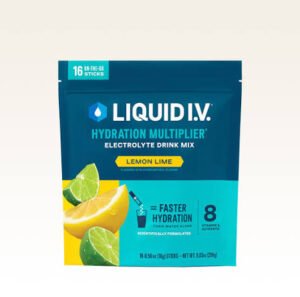
Hydration
Liquid I.V. Sugar-Free electrolyte mix
Single-serve packets that make it easier to keep drinking when plain water gets boring.
View on Amazon →
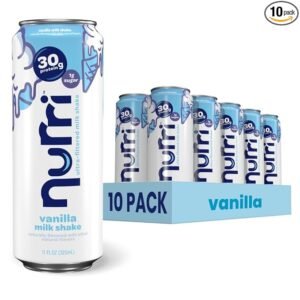
Protein
Nutri protein shake, vanilla
A mild, ready-to-drink shake for days when a full meal feels like too much.
View on Amazon →
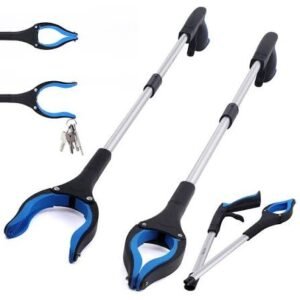
Less bending
Grabber reacher tool
Picks up the remote, phone or slippers without bending or kneeling, so you stay off your buttocks.
View on Amazon →
BBL recovery kit
Want everything on this list in one place?
See every recovery pick, from compression and sleep to wound care and scar care, organized by stage.
08
Ask first
Lymphatic massage: optional, not a must
Lymphatic drainage massage is heavily marketed after BBL, sometimes as a non-negotiable package. In reality, it's optional. Some surgeons recommend it for swelling, and if yours does, it should be done by a licensed, trained therapist.6 The honest bottom line: good-quality research on lymphatic massage after BBL is limited, so it isn't something to feel pressured into or to pay for on a stranger's advice.
If your surgeon recommends it, ask when to start, how often, and which areas are allowed. A trained therapist should use gentle, superficial strokes on cleared liposuction areas only: no deep pressure or massage directly over freshly grafted fat, and never on skin that is hot, very red, very painful or infected. The small study often quoted for massage after liposuction combined it with therapeutic ultrasound and had no control group, so it isn't proof that massage helps after BBL.13
09
Later, once cleared
Scar care for small incisions
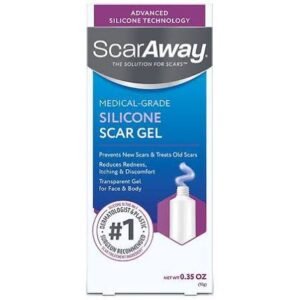
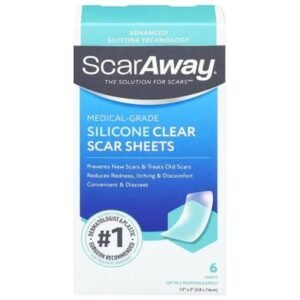
BBL incisions are small, but some people still scar darker than they'd like. Once your incisions have fully closed and your surgeon gives the go-ahead, silicone is a simple, well-studied option: gel for small incisions in curved spots, sheets where they'll stay put.11 In a randomized trial on chest surgery scars, silicone gel improved several scar features compared with a placebo.14 Keep healing scars out of the sun or covered with SPF 30+, and use a fragrance-free moisturizer once the skin is healed. Silicone isn't for open or draining incisions.
Once healed
Silicone scar gel
Easy to apply on small incisions in curved spots where a sheet won't stay put.
View on Amazon →
Once healed
Silicone scar sheets
Cut-to-fit sheets for healed incisions in spots where they'll stay put.
View on Amazon →
Once healed
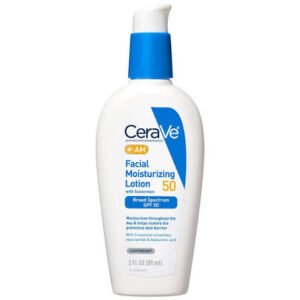
Sunscreen
SPF 30+ for healed incision marks that will see the sun.
View on Amazon →
Once healed
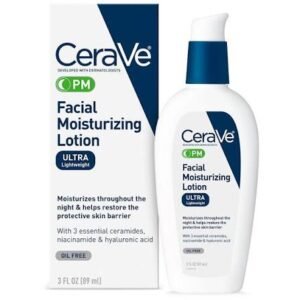
Fragrance-free moisturizer
A gentle, unscented moisturizer for skin that has fully healed.
View on Amazon →
10
Save your money
What you probably don't need
Part of a calm recovery is not buying things you'll never use. Unless your surgeon specifically recommends them, most people can skip:
✗ Donut or ring cushions, which still put your weight on your buttocks.
✗ Waist trainers or cinchers in place of the garment your surgeon chose.
✗ Heating pads, especially while skin sensation is reduced.
✗ Massage guns, cavitation or "skin tightening" devices in the early weeks.
✗ "Fat-survival" supplements and creams, or anything that promises to help you keep more fat.
✗ Garments in several sizes before you know what your surgeon provides.
Printable checklist
Your BBL recovery kit
Screenshot or print this list and bring it to your pre-op visit.
Buy before surgery
☐ BBL pillow
☐ 1–2 compression garments, to wear day and night
☐ Foam pads or boards under the garment
☐ Compression stockings
☐ Disposable bed pads, dark towels and ABD pads for leakage
☐ Body pillow or firm pillows for stomach and side sleeping
☐ Pill organizer, long charging cable and a large water bottle with a straw
☐ Grabber reacher tool
☐ Protein shakes, an electrolyte mix and easy snacks within reach
Ask your surgeon first
☐ Lymphatic massage: whether, when and by whom
☐ Fiber, a stool softener or MiraLAX
☐ How to ride home, and when you can drive and work
☐ When you can shower
Later, once you're cleared
☐ Sitting with the pillow, then without it
☐ Sleeping on your back
☐ Exercise
☐ Silicone gel or sheets, sunscreen and moisturizer
Common questions
How long can't you sit after a BBL?
It depends on your surgeon. A common approach is no direct sitting on your buttocks for about two to three weeks, a BBL pillow under your thighs when you must sit, and avoiding long stretches of direct pressure for several weeks after that.6,7
How long do you wear a faja after a BBL?
Usually close to 24/7 at first, then less as your surgeon allows. Timelines range from a few weeks to about two months, so follow the schedule your surgeon gives you.6,7
Do you need lymphatic massage after a BBL?
No, it's optional. Some surgeons recommend it for swelling; if yours does, use a licensed, trained therapist.6 Good-quality evidence for it after BBL is limited.
Is a BBL pillow really necessary?
If you'll need to sit at all in the first weeks, for the car, meals or work, it's the simplest way to keep pressure off the grafts.6,8 Ask whether your surgeon's practice provides one before you buy.
What are the warning signs of a fat embolism after a BBL?
Shortness of breath, chest pain or an unusual heartbeat need immediate medical attention.6 Call 911 or go to the nearest emergency room; don't wait for a callback.
11
Before you go
Know the warning signs, then focus on healing
Most of this guide is about making everyday healing more comfortable. One more thing belongs on your list: knowing the rare but serious warning signs. BBL deserves a more serious safety conversation than most cosmetic procedures. The main danger is pulmonary fat embolism: fat injected into or beneath the buttock muscle can enter the large veins there and travel to the lungs. In a 2017 survey covering nearly 200,000 procedures, injecting deep into the muscle was linked to about four times the risk of a fatal fat embolism.1 In 2018, a multi-society task force put the death rate at roughly 1 in 3,000, the highest of any aesthetic procedure, and urged surgeons to graft fat only into the layer under the skin, above the muscle.2
The encouraging part is that safety has improved as surgeons changed their technique. A follow-up survey found the reported death rate trending down from 1 in 3,448 in 2017 to 1 in 14,952 in 2019.3 Since then, plastic surgery societies have backed further safeguards: injecting fat only into the subcutaneous space, using ultrasound to watch the cannula tip while fat is injected, and limiting surgeons to three BBL cases a day.4,5
Figure 1
Reported BBL safety before and after the 2017 technique recommendations
Deaths, 2017
1 in 3,448
Deaths, 2019 (trend)
1 in 14,952
Any fat embolism, 2017
1 in 1,030
Any fat embolism, 2 years after the recommendations
1 in 2,492
Data: surgeon surveys reported by Rios and Gupta, Aesthetic Surgery Journal, 2020.3 These are self-reported numbers. The drop in fat embolism was statistically significant; the drop in deaths was reported as a trend.
Choosing your surgeon is the biggest safety decision
No pillow or garment can make up for an unsafe operation. Choose a board-certified plastic surgeon who operates in an accredited hospital or licensed surgery center and can explain exactly how they keep fat above the muscle.5
Ask at your consultation
"Do you inject fat only above the muscle? Do you use ultrasound to check the cannula position? How many BBLs do you do in a day? Where will I recover, and who do I call at 2 a.m.?" A good surgeon will be glad you asked.
Call 911 or go to the emergency room
⚠ Sudden shortness of breath, trouble breathing or chest pain
⚠ A racing or irregular heartbeat, fainting or sudden confusion
Call your surgeon right away
⚠ Pain, swelling or warmth in one calf or leg
⚠ Fever, spreading redness, pus or a bad smell from an incision
⚠ Swelling, firmness or pain that's rapidly getting worse, especially on one side
After buttock surgery, shortness of breath, chest pain or unusual heartbeats need immediate medical attention.6 Don't wait to see if they pass.
References
6. American Society of Plastic Surgeons. Buttock enhancement recovery. plasticsurgery.org.
7. The Aesthetic Society. Butt lift: aftercare and recovery. theaestheticsociety.org.
10. American Society of Plastic Surgeons. Buttock enhancement risks and safety. plasticsurgery.org.
Reviewed by the Recovery Blueprint MD team. Last updated October 2026.
This guide is general education, not medical advice. Every patient and procedure is different, and your surgeon's own instructions should always take priority. If you have sudden shortness of breath, chest pain or a racing heartbeat, call 911. For fever, swelling in one leg, increasing pain, redness or drainage, contact your surgeon's office promptly. As an Amazon Associate, Recovery Blueprint MD earns from qualifying purchases.