

If you have a breast augmentation or breast lift (mastopexy) on the calendar, you've probably noticed how much conflicting advice is out there. One forum says you need twenty products. Another says you need nothing. The truth is calmer: a short list of practical items makes the first couple of weeks noticeably easier, and almost everything else can wait until your surgeon says it's time.
This guide is organized as a shopping checklist with a little education attached to each item, so you understand why something helps, not just that someone online liked it. Augmentation and lift recovery overlap a lot, but a lift usually means longer incisions, and your incision pattern, whether you have drains and your surgeon's garment preferences will all shape what you actually need. If your breast surgery is part of a mommy makeover, the mommy makeover recovery guide covers both procedures together.
How products are selected: each product fits a category that is commonly recommended after breast surgery. Some links below are affiliate links. As an Amazon Associate, Recovery Blueprint MD earns from qualifying purchases, at no extra cost to you. This article is education, not medical advice. Your surgeon's instructions for garments, sleep, showering, activity and scar care always come first.
The short version
✓ Buy before surgery: a surgical bra, a wedge pillow, front-opening clothes and everything you'll want within arm's reach in the first 72 hours.
✓ Ask your surgeon first: cold packs, implant bands, dressing supplies and anything your practice may already provide.
✓ Wait until you're cleared: scar care, underwire bras and anything for exercise.
✓ Short on time? Jump to the printable checklist and bring it to your pre-op visit →
01
Support
The post-op surgical bra: the core of your kit
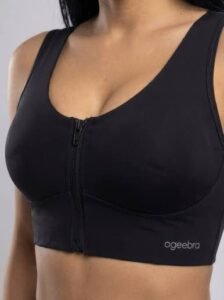
If there's one item every breast surgery patient asks about, it's the post-op surgical bra. After augmentation, an elastic bandage or support bra helps minimize swelling and supports the breasts as they heal.1 It also helps hold dressings in place and limits movement. Plan to wear it day and night in the early weeks, taking it off only to shower.
What to look for: a front closure, because raising your arms overhead and reaching behind your back are often limited early on; no underwire, which many surgeons ask you to avoid for several weeks; adjustable straps and band, since swelling changes from day to day; and soft, breathable fabric with smooth seams. Since you'll wear it around the clock, two or three let you wash one while wearing another.
Sizing tip
Your final cup size won't be clear for weeks to months while swelling settles and, after augmentation, implants "drop and fluff." Buy by your band measurement and an estimated cup size, and choose adjustable styles that can grow and shrink with swelling.
Implant stabilizer band: only if prescribed
Some surgeons use an elastic band that wraps across the upper chest after augmentation to help guide implant position. Others never use one. This isn't a "just in case" purchase: if your surgeon wants you to wear one, they'll tell you, and they may supply it.
02
Sleep & rest
The best pillow after breast surgery
Sleep is where most people feel the difference between a planned recovery and an improvised one. Many surgeons recommend sleeping on your back with your upper body elevated for the first stretch of recovery, and avoiding side or stomach sleeping until you're cleared. Stacking regular pillows works, but they slide around at 3 a.m.
For many people, the best pillow after breast surgery is a firm foam wedge. It gives you a stable incline, makes getting in and out of bed easier and keeps you from slowly sliding flat overnight. A couple of extra pillows tucked along your sides help stop you rolling over, and small pillows under your elbows keep your arms from pulling on your chest while you sit up.

For the ride home: a small, soft seatbelt pad (or a folded towel) keeps the strap from pressing directly on tender tissue or incisions during the drive home and your first follow-up visits.
03
Clothing
Clothes that make getting dressed easy
Early after breast surgery, many patients are asked to avoid lifting their arms above shoulder height, which makes pullover shirts surprisingly difficult. Plan a small recovery wardrobe of things that open in the front: button-front tops and pajamas (you can sleep and go to follow-up visits in them), zip-front hoodies or cardigans for chilly waiting rooms, and loose, pull-on pants with an elastic waist.
Slip-on shoes are worth it too. Bending over to tie laces isn't fun in the first few days. Most people already own enough of these, so check your closet before buying anything new.
04
Within reach
Bedside setup: everything within arm's reach
The goal is simple: less reaching, twisting and pushing yourself up for small things. That matters even more after breast surgery, because reaching and pushing up both use your chest. Keep your phone, an extra-long charging cable, lip balm, tissues, snacks, the TV remote and your medications (as prescribed) in one spot. Before surgery, move everyday kitchen and bathroom items down to counter height.
When you're tired and on a medication schedule, a weekly pill organizer and a simple written log make it much easier to follow your surgeon's instructions accurately. A large water bottle within reach means staying hydrated doesn't depend on getting up.
A grabber (reacher) tool takes that idea one step further. It picks up anything that lands on the floor or sits on a high shelf, so you don't have to bend, twist or stretch your arms overhead while your chest heals. It isn't a reason to stay in bed, though. Getting up to walk to the bathroom and the kitchen is good for you: those short trips keep blood flowing in your legs and help prevent clots.
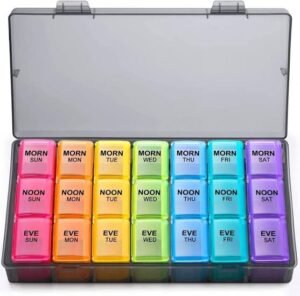
Medication schedule
Weekly pill organizer
Fill it before surgery so every dose is ready when you're sore and tired.
View on Amazon →
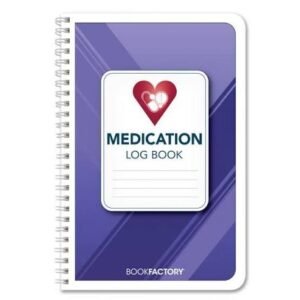
Stay on track
Medication and supplement log
Write down what you took and when, so nothing gets doubled or missed.
View on Amazon →
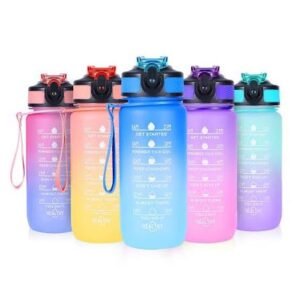
Stay hydrated
Large reusable water bottle
Keeps a full day of water by the bed, so you aren't reaching for a heavy glass.
View on Amazon →
05
Ask first
Cold packs: only if your surgeon approves
Some surgeons suggest cold therapy for comfort and swelling in the first few days. Others prefer you avoid it, particularly after a breast lift, where blood supply to the skin and nipple area is something surgeons watch closely. That's why cold packs belong in the "ask first" category. If your surgeon says yes, choose soft, flexible gel packs rather than rigid ice blocks, always keep a cloth between the pack and your skin, and follow their timing for how long and how often.
Numbness matters
Sensation is often reduced after breast surgery, so you may not feel when something is too cold. The same goes for heat: skip heating pads unless your surgeon specifically okays them.
06
Shower & hygiene
Making the first showers easier
When you can shower, and whether your incisions can get wet, depends on your surgeon and your dressings. Once you're cleared, a few things cut down on reaching and lifting: a handheld shower head lets you control the water without raising your arms, a shower stool helps if you feel lightheaded during the first few showers, and a gentle, fragrance-free cleanser in a pump bottle is easier than squeezing or twisting caps. Dry shampoo buys you time, since washing and styling your hair can be tiring early on.
If you have drains
Drains are less common after a straightforward augmentation but are sometimes used after a lift or combined procedures. If you have them, a drain lanyard or shower belt keeps them secure while you shower (many practices provide one), and a small notebook lets you record output exactly as your team asks.
07
Wound care
A small, organized wound care stash
Your surgeon will tell you exactly how to care for your incisions and dressings, and many practices send you home with what you need. It still helps to have a small, organized stash so you aren't searching drawers: sterile gauze and gentle medical tape, in case your team asks you to change or add a dressing.
Some people also like a soft pad inside the bra for extra cushioning or to protect it from minor drainage. Check with your surgeon before placing anything over your incisions, and don't add ointments, creams or oils to fresh incisions unless your team tells you to.
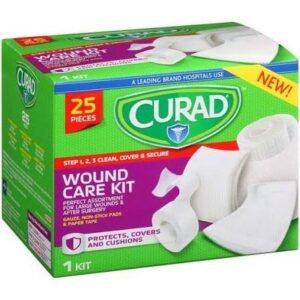
All-in-one
Sterile dressing kit
Everything for a clean dressing change in one place, if your team asks you to do one.
View on Amazon →
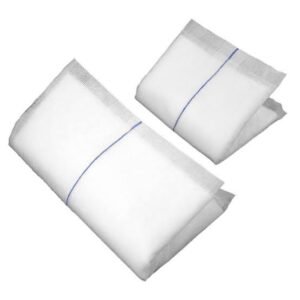
Dressings
Medical gauze pads
Individually wrapped pads for covering incisions or catching minor drainage.
View on Amazon →
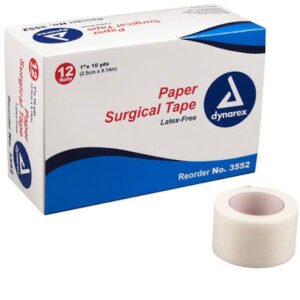
Gentle on skin
Surgical tape
Holds gauze in place without pulling on tender, swollen skin.
View on Amazon →
08
Nutrition
Protein, fiber and the everyday basics
Healing tissue relies on enough protein, calories and fluids. You don't need anything fancy, but having easy options ready means you're more likely to eat well when your appetite is low. Ready-to-drink protein shakes cover the days when cooking isn't happening. Some people also add Juven, a drink mix made for wound-healing support with arginine, glutamine, HMB, vitamin C and zinc. It doesn't replace your shakes, so ask your surgeon before you add it. For the science behind it, see the guide to nutrition before surgery.
Prescription pain medication and less activity can both lead to constipation, so ask your surgeon before surgery whether they recommend fiber or a stool softener. And because some supplements can affect bleeding, review everything you take with your team well ahead of your date. The guide to supplements to stop before surgery covers the common ones to ask about.
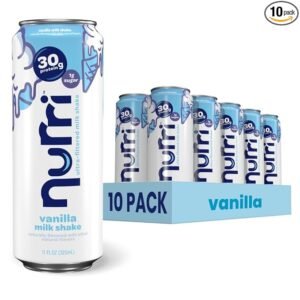
Protein
Nutri protein shake, vanilla
A mild, ready-to-drink shake for days when a full meal feels like too much.
View on Amazon →
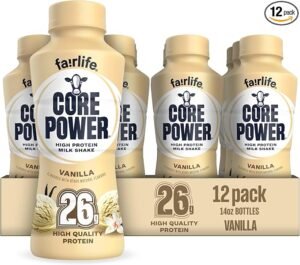
Dairy-based
Core Power protein shake, vanilla
A higher-protein option to keep in the fridge for the first week.
View on Amazon →
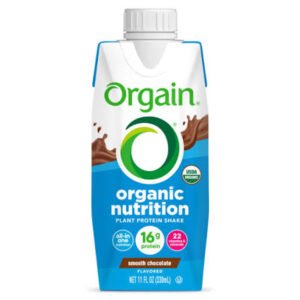
Plant-based
Orgain Vegan Protein Shake
A dairy-free choice if milk-based shakes don't agree with you.
View on Amazon →
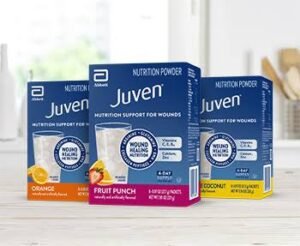
Healing support
Juven nutrition drink mix
A drink mix made for wound-healing support, with arginine, glutamine, HMB, vitamin C and zinc. Ask your surgeon before you add it.
View on Amazon →
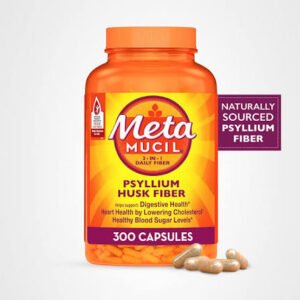
Fiber · ask first
Psyllium fiber supplement
Helps keep you regular once pain medication slows things down. Take it with plenty of water.
View on Amazon →
Breast surgery kit
Want everything on this list in one place?
See every recovery pick, from support and sleep to wound care and scar care, organized by stage.
09
Later, once cleared
Scar care: once your incisions have closed
Scar care is one of the most-researched parts of recovery, and also one of the easiest to start too early. Silicone sheets and gels are meant for incisions that have fully closed, once your surgeon gives the go-ahead, not for fresh wounds. When you're cleared, silicone-based products are recommended in international scar guidelines as the first-line, non-invasive option for both preventing and treating raised scars.3 Your surgical team's scar plan comes first, and following it is the single most important step.2
Breast lift incisions, which may run around the areola, down the lower breast and sometimes along the crease, cover more area, so think about which format suits each spot. Sheets work well on straight, flat incisions; gel is often easier around curves like the areola and under a bra. Keeping scars out of the sun and moisturizing the surrounding skin are also part of the same guidelines.3
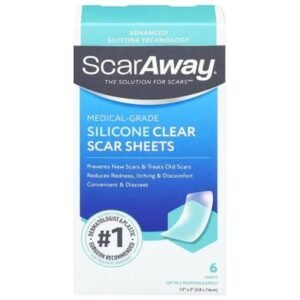
Straight incisions
Silicone scar sheets
Best for flat, straight incisions like the vertical or crease scars of a lift.
View on Amazon →
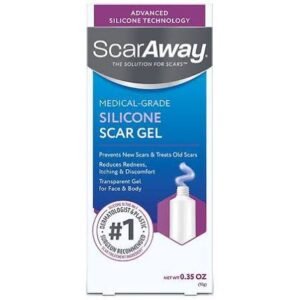
Curves & under a bra
Silicone scar gel
Easier around the areola and anywhere a sheet won't stay put.
View on Amazon →
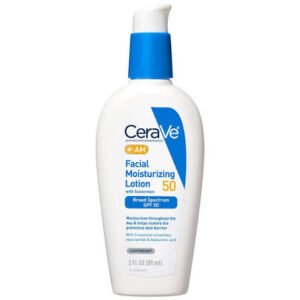
Daily protection
Sunscreen
Healing scars can darken in the sun. Cover them, or use sunscreen once you're cleared.
View on Amazon →
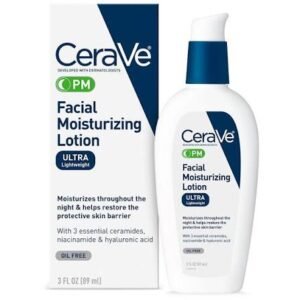
Once healed
Fragrance-free moisturizer
For the surrounding skin, which can feel tight and dry as it stretches and heals.
View on Amazon →
10
Save your money
What you probably don't need
Part of a calm recovery is not buying things you'll never use. Unless your surgeon specifically recommends them, most people can skip:
✗ Several sizes of "final" bras before your swelling settles.
✗ Underwire or push-up bras in the early weeks.
✗ Heating pads, especially while sensation is reduced.
✗ Massage tools or "implant massage" devices your surgeon hasn't asked you to use.
✗ Creams marketed for swelling or "faster healing," and any scar product on open or fresh incisions.
Printable checklist
Your breast surgery recovery kit
Screenshot or print this list and bring it to your pre-op visit.
Buy before surgery
☐ 2–3 front-closure, wireless surgical bras, to wear day and night
☐ Wedge pillow, plus extra pillows for side support
☐ Seatbelt pad or a soft folded towel for the ride home
☐ Button-front pajamas, zip-front tops, pull-on pants and slip-on shoes
☐ Pill organizer, medication log, long charging cable and a large water bottle
☐ Grabber reacher tool for dropped or out-of-reach items
☐ Protein shakes and easy snacks at counter height
Ask your surgeon first
☐ Cold packs, and how long and how often to use them
☐ Implant stabilizer band
☐ Fiber or a stool softener
☐ Dressing supplies, bra pads and a drain lanyard (if drains are used)
☐ When you can shower, and whether a handheld shower head or stool would help
Later, once you're cleared
☐ Silicone scar sheets and/or gel
☐ Sunscreen and a fragrance-free moisturizer
☐ Soft wireless everyday bras, then your regular bras when your surgeon says so
Common questions
What do I actually need after breast augmentation?
A short list covers most of it: a front-closure surgical bra, a wedge pillow, front-opening clothes, a pill organizer and water bottle by the bed, and protein shakes. Cold packs, implant bands and dressing supplies are worth asking your surgeon about first, and scar care comes later.
Is breast lift recovery different from augmentation?
They overlap a lot, but a lift usually means longer incisions around the areola and down the lower breast, and sometimes drains. That makes wound care and later scar care a bigger part of recovery, and some surgeons are more cautious about cold packs after a lift.
When can I start silicone scar sheets or gel?
Only once your incisions have fully closed and your surgeon gives the go-ahead. Silicone products aren't meant for open or fresh wounds.
When can I wear a regular bra again?
It depends on your surgeon and your procedure. Many ask you to stay in a soft, wireless bra for several weeks before going back to underwire, so ask for a specific timeline at your follow-up visits.
References
1. American Society of Plastic Surgeons. Breast augmentation recovery. plasticsurgery.org.
Reviewed by the Recovery Blueprint MD team. Last updated October 2026.
This guide is general education, not medical advice. Every patient and procedure is different, and your surgeon's own instructions should always take priority. If you notice increasing pain, swelling on one side, fever, redness or drainage, contact your surgeon's office promptly. As an Amazon Associate, Recovery Blueprint MD earns from qualifying purchases.
Planning more than one procedure? Read the tummy tuck recovery must-haves →