
Your scar is the one souvenir from surgery you'll see every day. The good news: how it heals isn't just luck. A few simple habits, started at the right time, can help it end up flatter, softer and lighter.
And one product stands above the rest. So that's where this guide starts.
Your surgeon's written instructions always come first. Every surgeon closes incisions a little differently, and their plan is built for your body and your procedure.
How products are selected: each product fits a category commonly recommended for incision and scar care. Some links below are affiliate links. As an Amazon Associate, Recovery Blueprint MD earns from qualifying purchases, at no extra cost to you. This article is education, not medical advice. Your surgeon's instructions for dressings, showering and scar care always come first.
01
Start here
Silicone. Start here.
If plastic surgeons agree on one scar product, it's this one.
#1
First-line scar treatment in international scar guidelines2,3
½
About half as many raised scars in people prone to them1
2
Ways to use it: sheets for flat areas, gel for curves and the face
Start here
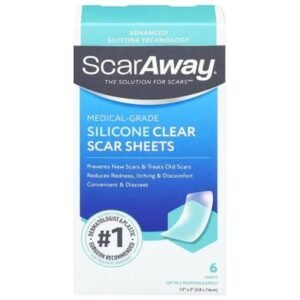
Silicone scar sheets
The first-line pick for flat scars like a tummy tuck, breast or body incision. Wear one at night.
View on Amazon →
For curves and the face
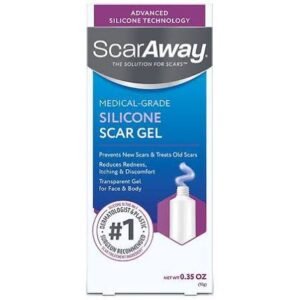
Silicone scar gel
Dries clear, so it works anywhere that shows. Massage it in during the day.
View on Amazon →
"If you do one thing for your scar, make it silicone."
Why silicone is #1
✓ The experts put it first. An international panel of 24 scar specialists named silicone sheets and gels the first-line option for both preventing and treating raised (hypertrophic) scars and keloids.2,3
✓ It's been the top pick for 20+ years. Back in 2002, international recommendations found silicone gel sheeting was one of only two scar treatments with enough evidence to recommend, and the only one you can use at home.4
✓ The trials keep backing it. In people prone to raised scars, those who wore silicone sheets after their wound healed got raised scars about half as often. On scars that had already formed, silicone improved thickness and color.1 A 2020 review of randomized trials found silicone gel effective for preventing scars after surgery, and gel and sheets worked about equally well.5
✓ It's gentle. No needles, no downtime. The most common problem is mild skin irritation, which usually settles when you take a break.
How it works
Silicone forms a soft, breathable seal over the scar that holds in moisture. A well-hydrated scar sends calmer signals to the cells that make collagen, so they're less likely to overbuild into a thick, raised scar.6
Sheets or gel?
Silicone sheets
Best for: flat areas like a tummy tuck, breast or body scar
Why people love it: gentle pressure plus hydration, and it's reusable
Watch out for: edges can peel, and it needs washing daily
Silicone gel
Best for: curves, joints, the face and anywhere that shows
Why people love it: dries clear and works under sunscreen and makeup
Watch out for: apply a thin layer, usually twice a day
The easy routine: massage the gel in during the day, and put a sheet on at night. Using both covers you around the clock.5
How to use silicone
1. Wait until it's fully closed. No scabs, no open or weeping spots, stitches out, and your surgeon says go. For many people that's about 2–3 weeks after surgery.
2. Day and night. By day, massage a thin layer of gel into the scar until it dries. At night, put a silicone sheet on. Aim for at least 12 hours of silicone a day.
3. Stay with it for a year. Scars keep remodeling for many months, so plan on using silicone for up to a year, especially while your scar is still pink or raised.
4. Keep it clean. Wash the skin and reusable sheets with mild soap and water daily, let them air-dry, and replace sheets when they stop sticking.
5. Take a break if your skin reacts. A rash, itchy bumps or broken skin under the silicone means stop and call your surgeon.
Tip
Long tummy tuck scar? Sheets on the flat middle, gel at the ends near your hips where sheets tend to peel.
Silicone scar care
Ready when your incision is.
Silicone sheets for night and gel for the day, the two products that do the most for your scar.
The short version
✓ Silicone is #1 once your incision is fully closed: gel by day, a sheet at night, for up to a year.1–3
✓ First weeks: clean, dry, covered. Wash your hands first, keep the incision dry, change dressings when damp, and no creams unless your surgeon says so.
✓ Drainage is common early. Clean it, re-dress it, keep it dry. Cloudy fluid, pus, spreading redness or fever means you call your surgeon.7
✓ Your wound kit: a sterile dressing kit, ABD medical pads for drainage, and gentle paper tape. All three are on one shelf in the Infirmary.
✓ Long term: sunscreen, massage, taping, moisturizer. Protect the scar from sun, massage it a few times a day once healed, tape it to take the tension off, and keep the skin soft.3,10–13
02
The first weeks
Acute incision care: clean, dry, covered
Before silicone can do its job, your incision has to close. For the first couple of weeks, your job is simple: keep germs out and keep it dry.
Clean and dry is the whole game
✓ Wash your hands first, every time. Soap and water for 20 seconds before you touch your incision or dressing, and again after.
✓ Keep it dry. Moisture trapped against a fresh incision softens the skin and helps bacteria grow. If a dressing gets wet from a shower, sweat or drainage, change it.
✓ Leave it alone. Don't pick at glue, scabs or tape strips. They come off on their own. Let your surgeon remove stitches.
✓ No creams, powders or oils on the incision unless your surgeon tells you to.
✓ Showering: a UK national guideline says most people can shower safely from 48 hours after surgery.8 Your surgeon may want you to wait longer, especially with drains or a special dressing. Let soapy water run over the incision, don't scrub, and pat it dry with a clean towel.
✓ No soaking in a bath, pool, hot tub or the ocean until your surgeon says it's fully healed.
Good to know
Does showering early cause infections? A Cochrane review found only one trial (857 people). Infection rates were almost the same whether people showered at 12 hours or waited 48 hours.9 That's why the answer is "follow your surgeon."
If there's drainage: clean it, re-dress it, keep it dry
Some fluid is common in the first few days, especially after a tummy tuck, liposuction or a mommy makeover. What matters is the type, the amount and whether it's getting better.
Usually expected: small amounts of thin, clear, yellow-tinged or pink fluid, a little less each day, and mild redness right along the incision line that isn't spreading.
Call your surgeon if you notice
• Cloudy fluid or pus, or a bad smell7
• Redness, warmth or pain that's spreading or getting worse7
• Fever7
• Bright red blood that soaks through your dressing
• Incision edges pulling apart, or a growing, fluid-filled bulge under the skin
If you're unsure, take a photo and call. Surgeons would much rather hear from you early.
The dressing-change routine
1. Wash your hands.
2. Gently remove the old dressing. If it sticks, a little sterile saline loosens it.
3. Clean the area the way your surgeon showed you. A UK national guideline recommends sterile saline for wound cleaning in the first 48 hours.8
4. Pat the skin around the incision dry. Don't rub.
5. Put on a fresh dressing and tape it down gently, taping over the pad, not across the incision.
6. Note the color and amount of fluid. If it's increasing instead of decreasing, call your surgeon.
Have drains? Your surgeon will show you how to empty them and dress the drain site. The mommy makeover guide and tummy tuck guide walk through drain life.
Your at-home wound care kit
Three things, set up before surgery. Ask your surgeon which they prefer.
Dressing changes
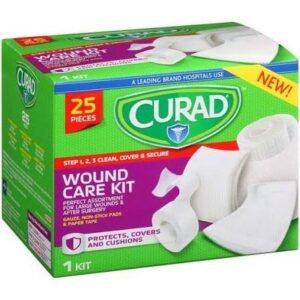
Sterile dressing kit
Gloves, gauze and cleaning supplies packed together, so every dressing change starts clean.
View on Amazon →
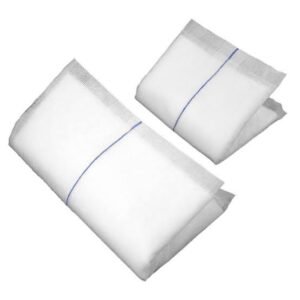
Drainage
ABD medical pads
Thick, extra-absorbent pads that pull drainage away from the skin and keep the incision dry.
View on Amazon →
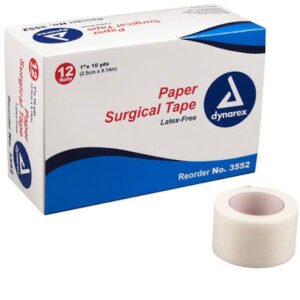
Holds it all
Paper surgical tape
Gentle tape that holds the dressing in place without tearing healing skin.
View on Amazon →
Tip
Make a "dressing station" before surgery: a clean tray with your kit, a trash bag, a small mirror and hand sanitizer. When you're sore and tired, everything is in one place.
Heal from the inside too
✓ Protein: your body builds new skin and collagen from it. See the nutrition guide.
✓ No nicotine (cigarettes, vapes, patches) for as long as your surgeon asks. Nicotine narrows blood vessels and slows healing.
✓ Keep tension off the incision: wear your garment or binder as directed and skip lifting and big stretches until you're cleared. Pulling on a fresh incision can widen the scar.3
03
The long game
Sunscreen, massage, taping and moisturizer
Scars keep changing for a long time. They're often pink, firm or raised at first, then slowly soften, flatten and fade over months, up to about two years.15 Silicone is your main tool in that window. These four habits work alongside it.
Sunscreen: keep it out of the sun
✓ A new scar is fragile, and sun can darken it for good. In a randomized trial, healing scars exposed to sun were more noticeable at 12 weeks, with worse color and more pigment, than scars kept covered.10
✓ The American Academy of Dermatology recommends broad-spectrum sunscreen, SPF 30 or higher, reapplied often, once the wound has healed, to help reduce red or brown discoloration.11
How to do it: cover the scar with clothing when you can. On scars that see the sun (face, chest, arms, a bikini line in summer), apply sunscreen every morning and reapply outdoors. Keep it up for at least the first year. Using silicone gel? Let it dry, then sunscreen on top.
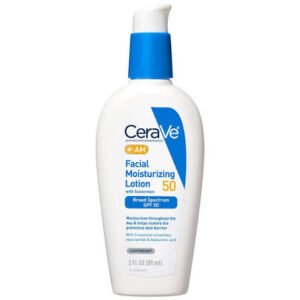
Massage: a few times a day, once it's healed
Gentle scar massage is something many surgeons recommend once the incision is fully closed. Studies suggest it may help scars feel softer and less itchy and tight.12
How to do it: with clean hands, press gently on the scar and move in small circles along its length for a few minutes, a few times a day. Massaging your silicone gel in counts. Firm enough to see the skin blanch a little, never painful. Stop if the scar opens, bleeds or gets red and sore.
Taping: take the tension off
Tension pulls a healing scar wider. Paper tape over a closed incision acts like a splint, a lot like a steri-strip.
✓ In a randomized trial of 70 C-section patients, none of those who wore paper tape over their scar for 12 weeks developed a raised scar, compared with 41% of those who didn't.13
✓ Scar guidelines list taping among the early steps that help prevent raised scars.3
How to do it: once your surgeon clears it, lay paper tape along the length of the scar, change it when it loosens (often every few days), and peel it off slowly. Taping at night pairs well with gel by day.
Moisturizer: keep the skin soft
Healing skin around a scar is often dry, tight and itchy. Hydration helps it feel better, and it's part of why silicone works.6 Scar guidelines list moisturizers among the early measures that help.2,3
✓ Healed incision, early on: a thin layer of plain petroleum jelly keeps healing skin from drying out.11 In a large trial after skin surgery, plain white petrolatum was as safe as antibiotic ointment and caused no allergic reactions.14 Use it only where your surgeon has cleared you.
✓ Later, daily: a gentle, fragrance-free moisturizer on the scar and the skin around it.
✓ With silicone: sheets don't stick over lotion. Moisturize in the morning after your night sheet comes off, and let it soak in before your gel.
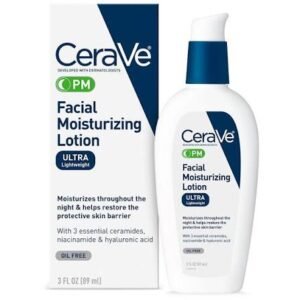
Daily
Fragrance-free moisturizer
Gentle daily hydration for the scar and the skin around it.
View on Amazon →
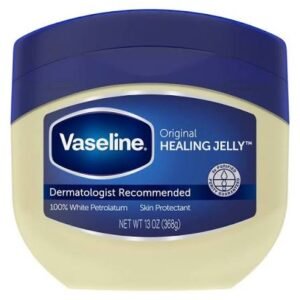
Healed skin
Vaseline
Plain petroleum jelly to keep newly healed skin from drying out.
View on Amazon →
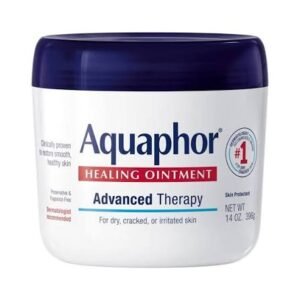
Healed skin
Aquaphor
A petrolatum ointment many people like for dry, healing skin.
View on Amazon →
04
Timeline
Your incision and scar timeline
Days 0–2
Protect. Keep the dressing on and dry. Wash your hands before touching. Shower only when your surgeon allows.8
Days 2–14
Clean and dry. Change dressings when damp. Clean drainage, re-dress with ABD pads, and watch for warning signs.7
Weeks 2–3+
Start silicone. Fully closed and cleared? Gel by day, a sheet at night, at least 12 hours a day.1–3
Months 1–12
Shape the scar. Silicone daily for up to a year, sunscreen on sun-exposed scars, massage a few times a day, taping and moisturizer.3,10–13
Up to 2 years
Settle. Scars keep fading and softening.15 Ask your surgeon about options if a scar stays raised.
Typical timing only. Your surgeon may change any step based on your procedure and how you heal.
05
Save your money
What to skip
✗ Hydrogen peroxide or rubbing alcohol on your incision unless your surgeon tells you to. They're harsh on healing tissue.
✗ Antibiotic ointment "just in case." Plain petrolatum worked as well in a large trial, with fewer allergic reactions.14 Use it only if your surgeon prescribes it.
✗ Vitamin E oil, onion extract and "miracle" scar creams. They don't have silicone's track record. Spend on silicone and sunscreen first.
✗ Starting scar products too early. Nothing goes on an open or scabbed incision unless your surgeon says so.
Printable checklist
Your incision and scar care checklist
Screenshot this or print it before surgery.
Scar care (once fully closed and cleared)
☐ Silicone scar sheets (night, flat areas)
☐ Silicone scar gel (day, curves and face)
☐ Broad-spectrum sunscreen, SPF 30+
☐ Paper tape
☐ Fragrance-free moisturizer
☐ Petroleum jelly (Vaseline or Aquaphor) for healed skin
First weeks
☐ Sterile dressing kit
☐ ABD medical pads
☐ Paper surgical tape
☐ A "dressing station" tray and clean towels
Ask your surgeon
☐ When can I start silicone, and sheets or gel?
☐ When can I shower, and how should I clean the incision?
☐ Is this amount of drainage normal for my surgery?
☐ When can I massage and tape my scar?
Scar and skin care
Everything in one place.
Silicone, sunscreen, tape, moisturizer and wound care supplies, organized by stage.
Frequently asked questions
What's the best thing to put on a scar after plastic surgery?
Silicone. International scar guidelines name silicone sheets and gels the first-line treatment for preventing and treating raised scars.2,3 Start once your incision is fully closed and your surgeon clears you. For what else your surgery needs, see the breast, BBL and facial surgery guides.
When can I start using silicone scar sheets?
When your incision is completely closed, with no scabs or open spots and stitches out, and your surgeon says go. For many people that's around 2–3 weeks after surgery. Plan on using silicone for up to a year.
Silicone sheets or silicone gel: which is better?
Both work. A 2020 review of randomized trials found gel and sheets about equally effective after surgery.5 An easy routine is gel massaged in during the day and a sheet at night.
How do I keep my incision dry after surgery?
Keep a clean dressing on it, change it whenever it gets damp, and pat (don't rub) the skin dry after showering. ABD pads help soak up drainage. Avoid baths, pools and hot tubs until your surgeon says the incision is healed.
Is drainage from my incision normal?
A small amount of thin, clear, yellowish or pink fluid in the first few days is common and should lessen each day. Cloudy fluid, pus, a bad smell, spreading redness or fever can be signs of infection, so call your surgeon.7
Do I need sunscreen on my scar?
Yes, once it's healed. Sun on a new scar can make it darker and more noticeable.10 Use broad-spectrum SPF 30 or higher and reapply often.11
References
12. Shin TM, Bordeaux JS. The role of massage in scar management: a literature review. Dermatol Surg. 2012;38(3):414-423.
13. Atkinson JA, et al. A randomized, controlled trial to determine the efficacy of paper tape in preventing hypertrophic scar formation in surgical incisions that traverse Langer's skin tension lines. Plast Reconstr Surg. 2005;116(6):1648-1656.
15. The Aesthetic Society. Mommy makeover aftercare and recovery. Accessed October 11, 2026.
Your scar is part of your story, and you get a say in how it heals. Keep the incision clean and dry, then give it silicone, sun protection and a little care every day for the year that follows.
Reviewed by the Recovery Blueprint MD team. Last updated October 2026.
This guide is general education, not medical advice. Every patient and procedure is different, and your surgeon's own instructions should always take priority. For fever, spreading redness, pus or a bad smell from an incision, or bleeding that keeps soaking through your dressing, contact your surgeon's office promptly. As an Amazon Associate, Recovery Blueprint MD earns from qualifying purchases.
More recovery basics: post-op recovery care →
Having a tummy tuck? See the tummy tuck recovery must-haves →