

Vitamins, herbs and “natural” supplements feel harmless, which is exactly why they're so easy to forget at a pre-op appointment. But some of the most popular ones can thin the blood, change how your body handles anesthesia and other medications, or throw off lab results.1
This guide covers the supplements most worth asking your surgical team about, what the research actually shows for each one, and how far ahead teams usually stop them. It also covers the few supplements worth starting before surgery, because preparing well isn't only about what you cut out.
How products are selected: each product fits a category that is commonly recommended around surgery. Some links below are affiliate links. As an Amazon Associate, Recovery Blueprint MD earns from qualifying purchases, at no extra cost to you. This article is education, not medical advice. Never stop a prescribed medication, including blood thinners, without talking to the doctor who prescribed it.
The short version
✓ Tell your team about everything you take, including vitamins, herbs, teas, gummies and powders.
✓ Bleeding risk: high-dose vitamin E, garlic, ginkgo, ginseng and turmeric are commonly paused. Fish oil looks lower-risk than once thought.
✓ St. John's wort speeds up the breakdown of many medications, including some used around surgery.
✓ Kava, valerian and stimulant blends can affect sedation, heart rate and blood pressure.
✓ Many teams simply pause all herbal supplements about 2 weeks before surgery.
✓ Keep, or start, the basics: protein, a daily multivitamin and fiber.
01
Why it matters
How supplements can interfere with surgery
Surgery and anesthesia depend on predictable blood clotting, predictable drug levels and a steady heart rate and blood pressure. Supplements can nudge any of these. And because they're sold without the testing required for prescription drugs, their strength and purity can vary from one bottle to the next.1
Studies of surgical patients have found that supplement use is common, and that many patients don't mention it unless they're asked directly.2 That's why the single most useful thing you can do is bring a complete list to your pre-op visit.
Figure 1
Four ways supplements can affect surgery
Risk 1
Bleeding
Makes platelets less sticky or slows clotting, which can mean more bruising or a hematoma.
Examples: high-dose vitamin E, garlic, ginkgo, ginseng
Risk 2
Drug interactions
Changes how fast the liver clears anesthesia and other medications.
Examples: St. John's wort, ginseng
Risk 3
Sedation
Adds to the drowsiness caused by anesthesia and pain medication.
Examples: kava, valerian
Risk 4
Heart & blood pressure
Raises heart rate or blood pressure during anesthesia.
Examples: ephedra-type stimulants, strong pre-workouts
Summarized from Ang-Lee et al., JAMA 2001.1 Some supplements fall into more than one group.
02
Bleeding risk
Supplements that can increase bleeding
Several popular supplements affect platelets, the tiny blood cells that form the first plug in a wound. On its own the effect is usually small. Combined with surgery, anti-inflammatory painkillers or prescribed blood thinners, it can add up to more bruising, more oozing, or blood collecting under the skin (a hematoma). In cosmetic surgery, where smooth, even healing is the goal, that matters.1
Vitamin E
Vitamin E makes platelets less likely to clump together. In long-term trials, vitamin E supplements slightly raised the risk of bleeding strokes: a meta-analysis of randomized trials found a 22% higher risk of hemorrhagic stroke, alongside a 10% lower risk of clot-related (ischemic) stroke.3 The Physicians' Health Study II saw a similar signal.4 The amount in a standard multivitamin is small. The concern is high-dose standalone vitamin E, often sold at 400 IU or more.
Figure 2
Vitamin E and stroke type (relative risk vs. placebo)
Data: Schürks et al., BMJ 2010, meta-analysis of 9 randomized trials with about 118,000 participants.3 These are small changes over years of use. For surgery, the relevant point is vitamin E's effect on platelets.
Garlic
Garlic compounds such as ajoene interfere with platelet function. Cooking with garlic is fine. Concentrated garlic supplements are the concern, and there are case reports of serious bleeding linked to heavy garlic use.1,9
Ginkgo biloba
Ginkgo blocks platelet-activating factor, and case reports have linked it to bleeding. Controlled trials of standardized extracts, however, haven't shown a clear increase in bleeding.6 Because the evidence is mixed and there's no benefit to taking it right before surgery, most teams still ask patients to pause it.1
Fish oil (omega-3)
Fish oil has long appeared on “stop before surgery” lists because omega-3s have mild antiplatelet effects. Newer evidence is reassuring: in a large randomized trial of heart-surgery patients, high-dose fish oil did not increase perioperative bleeding.5 Many teams still pause high doses to be safe, so ask what yours prefers.
Turmeric (curcumin) and multi-ingredient blends
Curcumin shows antiplatelet effects in laboratory studies, but human data around surgery is limited. The same is true of many “anti-inflammatory,” “immune” and “joint” blends that combine several of these ingredients, which is exactly why they're worth listing for your team.
Figure 3
Bleeding risk: how strong is the evidence?
High-dose vitamin E
Trial evidence
Garlic supplements
Case reports
Ginseng
Case reports
Ginkgo biloba
Mixed
Turmeric / curcumin
Lab data
Fish oil
Low in trials
Summary of the references below. “Low” doesn't mean zero, which is why the final decision belongs to your surgical team.
03
Drug interactions
St. John's wort and ginseng: the interaction problem
St. John's wort, often taken for low mood, is less about bleeding and more about interactions. It switches on a liver enzyme called CYP3A4, which helps break down a large share of prescription drugs. In a clinical study, two weeks of St. John's wort significantly sped up the body's clearance of midazolam, a sedative commonly used around surgery.7 It can also weaken hormonal birth control and interact with antidepressants and blood thinners.1
Ginseng can lower blood sugar, has shown effects on platelets, and in a randomized trial reduced the effect of the blood thinner warfarin.8 Anyone with diabetes, or anyone taking a blood thinner, should be especially careful and bring it up early.
Don't stop mood treatments abruptly
If you take St. John's wort or a prescribed antidepressant, talk to your doctor before stopping. Sudden changes can cause withdrawal-type symptoms or a return of the symptoms you were treating.
04
Sedation & stimulants
Kava, valerian and stimulant blends
Kava and valerian, used for anxiety and sleep, can add to the sedating effect of anesthesia and pain medication.1 Kava has also been linked to liver injury. Valerian is a special case: after long-term use, stopping it suddenly can cause withdrawal, so it's usually tapered over the weeks before surgery rather than stopped overnight.1
At the other end are stimulants, which can raise heart rate and blood pressure under anesthesia. Ephedra was banned in the U.S. in 2004 largely for this reason, but similar effects can come from high-caffeine pre-workouts and “fat burner” blends with ingredients such as synephrine (bitter orange) or yohimbine. Mention any of these to your anesthesia team.
Figure 4
Minimum time to stop before surgery
Minimums from Ang-Lee et al., JAMA 2001, based on how long each supplement's effects last.1 Valerian has no set minimum and should be tapered. In practice, many surgical teams simplify this to stopping all herbal supplements about 2 weeks before surgery.
Your surgeon's list wins
Timing varies between teams and procedures. Follow your own surgeon's instructions exactly, and never stop a prescribed blood thinner without talking to the doctor who prescribed it.
05
Lab tests
Biotin: the supplement that can skew your labs
Biotin doesn't affect bleeding, but high doses, common in hair, skin and nail formulas, can interfere with some laboratory tests and produce falsely high or falsely low results.10 Because pre-op blood work guides decisions about your surgery, tell your team if you take it. Many ask patients to pause it for a few days before labs.
What to take instead
Want to know what your body actually needs?
The nutrition guide covers protein, albumin, iron, vitamin C, zinc and fiber, with the evidence behind each.
06
What to start
The supplements worth starting
Cutting out risky supplements is only half of preparing well. The other half is making sure your body has the raw materials it needs to heal. The evidence is strongest for a few basics, covered in depth, with charts and references, in the guide to nutrition before surgery. If your surgeon wants you to have extra healing support, Juven is a drink mix that combines the amino acids arginine and glutamine with HMB, vitamin C and zinc.
Figure 5
Ask about stopping vs. worth starting
Ask your team
Consider stopping
High-dose vitamin E
Garlic, ginkgo and ginseng
Turmeric and herbal blends
St. John's wort
Kava and valerian
Stimulant and “fat burner” blends
High-dose fish oil
Biotin, before labs
Usually 1–2 weeks before surgery
Build your foundation
Worth starting
Protein, about 1.2–1.5 g/kg a day
A daily multivitamin
Fiber, with plenty of water
Iron, only if tests show you're low
Ideally 2–6 weeks before surgery
Always confirm your personal plan with your surgical team.
At a glance
What each one helps heal
Nutrient
Clean upDays 1–4
RebuildDays 4–21
Strengthen3 wks–1 yr
✓ = helps this step of healing. A daily multivitamin covers vitamin C, vitamin A and zinc for most people. See the evidence in the nutrition guide →
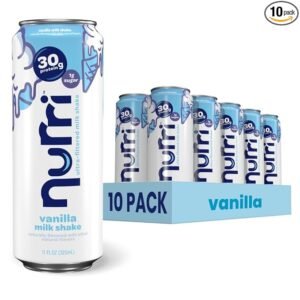
Protein
Nutri protein shake, vanilla
An easy way to close the protein gap between meals in the weeks before surgery.
View on Amazon →
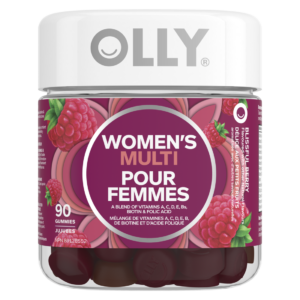
Daily multivitamin
OLLY Women's Multivitamin
Covers the everyday basics without the megadoses. A men's version is linked in the nutrition guide.
View on Amazon →
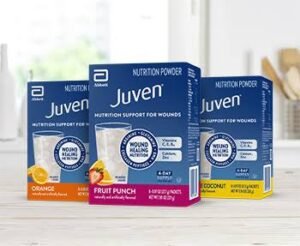
Healing support
Juven nutrition drink mix
A drink mix made for wound-healing support, with arginine, glutamine, HMB, vitamin C and zinc. Ask your surgeon before you add it.
View on Amazon →
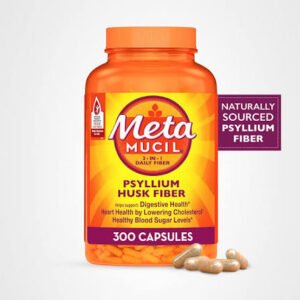
Fiber
Psyllium fiber supplement
The fiber with the best evidence for keeping you regular once pain medication slows things down.
View on Amazon →
07
Be prepared
Bring a complete list to your pre-op visit
Write down every product you take, with the dose and how often you take it, and bring the bottles if you can. Include vitamins, herbal teas, protein powders, gummies and anything you only take now and then. A simple log also makes it easy to track what you've paused and when you can restart it after surgery.


08
Your plan
A simple supplement timeline
3–6 weeks before
Write your full supplement list and review it with your surgical team. Start protein, a multivitamin and fiber if they agree.
2 weeks before
Stop the herbal and high-dose supplements your team flags. If you take valerian, start tapering it.
Before labs
Pause biotin for as long as your team recommends.
Surgery week
Keep up protein, fiber and water. Take only what your team has approved.
After surgery
Ask your surgeon when it's safe to restart anything you paused, especially anything that affects bleeding.
References
1. Ang-Lee MK, Moss J, Yuan CS. Herbal medicines and perioperative care. JAMA. 2001;286(2):208-216.
Reviewed by the Recovery Blueprint MD team. Last updated September 2026.
This guide is general education, not medical advice. Every patient and procedure is different, and your surgeon's own instructions should always take priority. Never stop a prescribed medication without talking to the doctor who prescribed it. Having a specific surgery? See the recovery must-haves for tummy tuck, BBL, liposuction, breast surgery and facial surgery, or the full pre-op checklist.
Next: see what to take instead in the nutrition before surgery guide →