

A tummy tuck (abdominoplasty) is one of the more demanding cosmetic recoveries. Along with removing extra skin, most tummy tucks tighten the abdominal muscles, a step called muscle plication, and that is where most of the soreness comes from. Having the right supplies at home before surgery day makes the first two weeks calmer, safer and more comfortable.
The checklist below covers the supplies most commonly recommended for abdominoplasty recovery, along with the reasoning and research behind each one. A surgeon's own instructions always come first, so it is worth bringing this list to the pre-op visit and asking what to add or skip. Having it done as part of a mommy makeover? The mommy makeover recovery guide covers the combined recovery.
How products are selected: each product fits a category that is commonly recommended in surgical recovery. Some links below are affiliate links. As an Amazon Associate, Recovery Blueprint MD earns from qualifying purchases, at no extra cost to you.
The quick checklist
✓ High-protein shakes: fuel for wound healing
✓ Weekly pill organizer: keeps a staggered pain plan on track
✓ Fiber supplement: prevents constipation, bloating and nausea
✓ Abdominal binder: compression and core support
✓ Compression stockings: part of blood-clot prevention
✓ Grabber reacher tool: pick things up without bending or twisting
✓ Supportive recovery pillow: keeps the body bent at the waist and helps with swelling
✓ Dressing supplies: sterile kit, gauze pads and surgical tape
✓ Silicone scar sheets + scar massage: for the lower abdominal scar, once fully healed
Your kit at a glance
Get these before surgery day
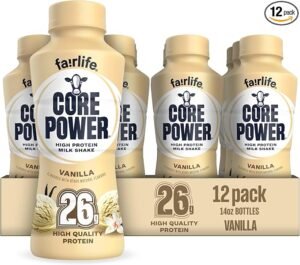
Protein shake
View →
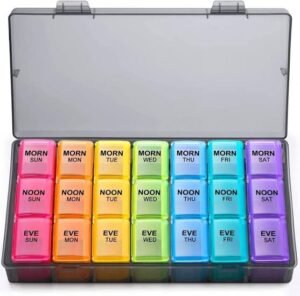
Pill organizer
View →
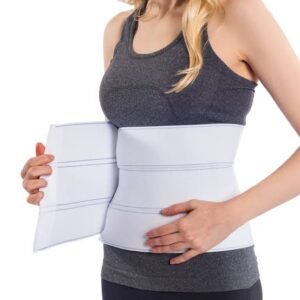
Abdominal binder
View →

Recovery pillow
View →
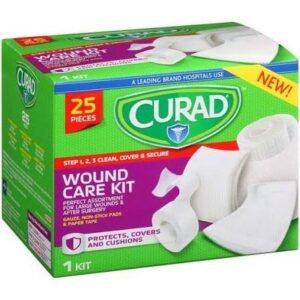
Dressing kit
View →
Add all 5 to your Amazon cart →
Puts these items in your cart in one step. Nothing is bought until you check out, so you can decide later.
01
Nutrition
High-protein shakes to fuel healing
An abdominoplasty is a high-metabolic-demand surgery. Healing an incision that runs from hip to hip, along with the tightened muscles beneath it, takes a large amount of protein, calories and overall health, and inadequate nutrition is linked to slower healing and weaker wounds.1
Nutrition before surgery matters as much as nutrition after it. Blood markers such as albumin and prealbumin reflect how well nourished the body is, and in large studies of plastic surgery patients, low preoperative albumin is linked to more complications, including wound problems and bleeding.2,3 A well-nourished body goes into surgery primed for healing, so starting protein shakes in the weeks before surgery is recommended, then continuing them afterward, when appetite is often low and a full meal can feel impossible. Some people also add Juven, a drink mix made for wound-healing support with the amino acids arginine and glutamine, plus HMB, vitamin C and zinc. It isn't a replacement for protein shakes, so ask your surgeon before adding it. People with kidney disease, diabetes or a dietary restriction should ask their surgeon or a dietitian for a personal protein target.
Dairy-based
Core Power protein shake, vanilla
A ready-to-drink, milk-based shake that's easy to keep cold and grab after a short walk.
View on Amazon →
Classic choice
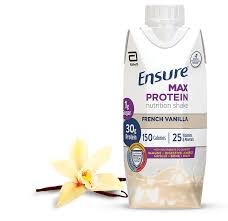
Ensure Max protein
A familiar, widely available option that many patients find easy to sip when appetite is low.
View on Amazon →
Plant-based
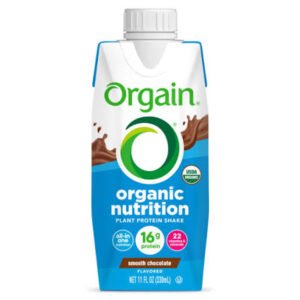
Orgain Vegan Protein Shake
A dairy-free option if milk-based drinks don't sit well after anesthesia.
View on Amazon →
Healing support
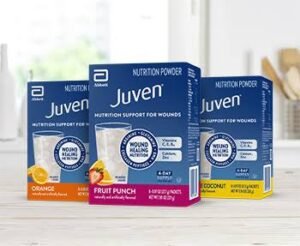
Juven nutrition drink mix
A drink mix made for wound-healing support, with arginine, glutamine, HMB, vitamin C and zinc. Ask your surgeon before you add it.
View on Amazon →
02
Pain control
A pill organizer for a staggered pain plan
Muscle plication is the most painful part of an abdominoplasty. The abdominal muscles are stitched together to tighten the core, and the repair is felt with every sit-up, cough or laugh during the first week or so.
The recommended approach is a multimodal plan: scheduled non-opioid medications, such as acetaminophen (Tylenol) and ibuprofen (Advil) when the surgeon approves them, staggered through the day, with opioids reserved only for breakthrough pain.4 Leaning on opioids brings nausea and constipation, and heavy use can actually heighten pain sensitivity over time. A weekly organizer keeps the schedule on track, so the patient or a caregiver can see at a glance what has been taken and when the next dose is due.
Practical tip
Filling the organizer before surgery with regular medications, then adding post-op prescriptions exactly as written, is recommended. A phone alarm for each dose helps. Staying ahead of the pain is much easier than catching up to it.
03
Digestion
Fiber to keep the bowels moving
Constipation is one of the most common and least discussed problems after surgery. Anesthesia, opioid pain medication, low water intake and reduced mobility all slow the bowels.5 After a tummy tuck, constipation adds bloating and pressure to an abdomen that is already tight and swollen, and it often brings nausea and a reluctance to eat. Straining is also uncomfortable on a fresh muscle repair.
Starting a daily fiber supplement before surgery is recommended, so the bowels are moving regularly and the abdomen is not bloated going into the operating room. It should be restarted immediately after surgery and kept as part of the daily routine until bowel movements are regular again. Plenty of water is essential, since fiber without enough fluid can make constipation worse. Among fiber supplements, psyllium has the strongest evidence.6 Many surgeons also recommend a gentle laxative while opioids are being taken.
When to call the surgical team
Contact the surgical team if there has been no bowel movement for three or more days, or if bloating, abdominal pain or vomiting is getting worse.
Strongest evidence
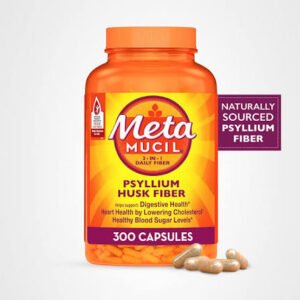
Fiber supplement
Psyllium husk, the fiber with the best evidence for relieving constipation. Mixed with a full glass of water, once or twice a day.
View on Amazon →
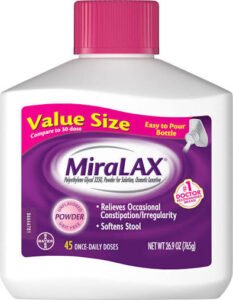
Gentle laxative
Fiber supplement
An osmotic laxative that draws water into the stool. Often recommended while opioids are being taken, when the surgeon approves.
View on Amazon →

Easy to take
Fiber supplement
A chewable fiber option for anyone who finds powders hard to take. Best paired with plenty of water.
View on Amazon →
04
Compression
An abdominal binder for compression and support
The abdominal binder is one of the most important parts of recovery. Worn consistently, it provides compression that helps keep swelling and fluid down, supports the repaired core and helps contour the abdomen, especially in areas treated with liposuction. Binders have also been shown to reduce early pain and make it easier to get up and walk after abdominal surgery.7 They work alongside the other techniques a surgeon uses to limit fluid buildup, such as drains or internal quilting sutures.8
Wearing the binder as much as possible is recommended, usually around the clock except when showering, for as long as the surgeon directs. Placement matters: it should sit directly over the abdominal tissue that was treated, not ride up to the waist or the chest. It should feel snug and supportive, but never so tight that breathing is difficult or it leaves deep marks.
Tummy tuck kit
Want everything on this list in one place?
See the starter kits for before surgery, the first week home and the healing phase, all in one place.
05
Clot prevention
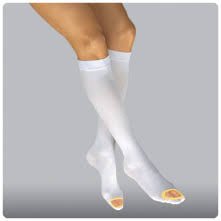
Compression stockings to help prevent blood clots
Blood clots in the legs (deep vein thrombosis, or DVT) are one of the most serious risks after abdominoplasty, because a clot can travel to the lungs and cause a pulmonary embolism, which can be catastrophic. In a study of more than 25,000 abdominoplasties, about one in five complications was a suspected or confirmed venous thromboembolism.9 Plastic surgery guidelines recommend assessing each patient's clot risk before surgery,10 and compression stockings help keep blood moving through the leg veins, lowering the risk of DVT.11
Stockings are one part of clot prevention. Getting up and moving is the other essential part: short, frequent walks starting the day of or the day after surgery are strongly recommended. Some surgeons also prescribe a blood-thinning medication based on a patient's risk. If one is prescribed, it is important to take it exactly as directed.
Walking is the goal, and a few simple tools make every trip easier. A grabber (reacher) tool lets you pick up a dropped phone, the remote or your slippers without bending at the waist or twisting your tightened core, so you save your energy for the walks that matter. Keep it by your bed or recovery chair, and still get up for the bathroom, the kitchen and short laps around the house. Those little trips keep blood moving in your legs and help prevent clots.
When to get help right away
Contact the surgical team or seek emergency care for pain, swelling or warmth in one calf, or for sudden shortness of breath or chest pain.
06
Positioning
A supportive pillow to stay bent at the waist
When the skin is pulled tight, especially in a high-tension closure, patients are often asked to stay slightly flexed at the waist for the first week or two. That means walking a little hunched over and resting with the upper body raised and knees bent, so there is less pull on the incision.
A supportive recovery pillow makes that position comfortable, especially at night, and keeping the body supported and elevated can also help with fluid and swelling (edema). It makes it easier to get up without straining the core, too. Straightening up gradually, only as the surgeon advises, is recommended.
07
Incision care
Dressing supplies: sterile kit, gauze and tape
A tummy tuck leaves a large incision, usually from hip to hip, plus a belly button incision. Some oozing or light bleeding from the incision is common in the first days, and many patients go home with drains that need to be emptied and dressed. Having sterile gauze, tape and dressing supplies ready before surgery is recommended, so incisions and drain sites can be managed properly at home.
The surgeon's wound-care instructions should always be followed, and hands washed before touching a dressing. Spreading redness, increasing pain, warmth, foul-smelling drainage or a fever should be reported to the surgical team.
All-in-one
Sterile dressing kit
Clean, sterile supplies in one package for surgeon-directed dressing changes.
View on Amazon →
Absorbent
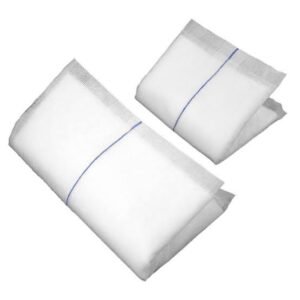
Medical gauze pads
Soft pads for covering incisions and drain sites between dressing changes.
View on Amazon →
Gentle on skin
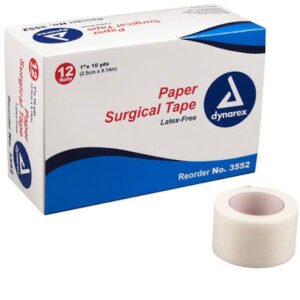
Surgical tape
Holds gauze in place. Paper tape is gentler on skin that is taped every day.
View on Amazon →
08
Scar care
Silicone and scar massage for the lower abdominal scar
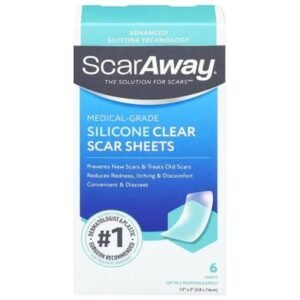
Silicone is the best-supported scar treatment in plastic surgery and the first-line option in international scar-management guidelines.12 Silicone sheets and tape reduce scar burden through gentle pressure and mechanical containment of the scar, and by keeping the scar surface hydrated and at a stable temperature. Reviews note that individual studies vary in quality,13 but silicone remains the standard first step. The lower abdominal scar is well suited to it: long, fairly flat and under the underwear line, so sheets stay in place.
Scar massage is recommended alongside silicone, to help soften and flatten the scar over time. Consistency matters most: most protocols call for wearing silicone many hours a day over several months, and protecting the scar from the sun. Neither silicone nor massage should begin until the incision is fully healed and the surgeon gives clearance.
A rough recovery timeline
Every surgeon and every patient is different, but this is how the first weeks commonly unfold, and when each item on the list matters most.
Days 1–3
Rest bent at the waist, short walks every couple of hours while awake, binder and stockings on, pain medications on schedule, fiber with plenty of water, and protein shakes when a meal feels like too much.
Week 1–2
Walks get longer and easier. Drains are often removed in this window, and many patients start to stand a little straighter.
Weeks 2–6
The incision continues to close. Silicone and scar massage can usually start once the surgeon confirms it has fully healed. No heavy lifting or core exercise yet.
6 weeks +
Many surgeons clear more activity around this point. Keep up scar care for several months. Scars keep improving for a year or more.
Common questions
What should I buy before a tummy tuck?
Protein shakes, a pill organizer, a fiber supplement, an abdominal binder, compression stockings, a supportive pillow and dressing supplies. Silicone scar sheets can wait until the incision has healed.
Why does a tummy tuck hurt more than other cosmetic surgery?
Most of the pain comes from muscle plication, when the abdominal muscles are stitched together to tighten the core. A scheduled, multimodal pain plan and resting slightly flexed at the waist make a big difference.
When can I start silicone scar sheets after a tummy tuck?
Only once the incision is fully closed and the surgeon gives clearance, commonly a few weeks after surgery. Scar massage usually starts at the same time. Starting too early on an open or scabbed area can irritate it.
How long do I wear a binder after abdominoplasty?
It varies by surgeon, but near-constant wear for several weeks is common. Following the specific schedule given by the surgical team is recommended.
References
Reviewed by the Recovery Blueprint MD team. Last updated September 2026.
This guide is general education, not medical advice. Every patient and procedure is different, and a surgeon's own instructions should always take priority.