

Facial plastic surgery, including facelift, neck lift, brow lift, lip lift and upper and lower blepharoplasty (eyelid surgery), recovers differently from body procedures. Pain is usually milder, but swelling, bruising and delicate incisions around the eyes, ears and mouth need careful management, and the final result depends on how well those tissues heal.
The checklist below covers the supplies most commonly recommended for facial surgery recovery, along with the reasoning and research behind each one. A surgeon's own instructions always come first, so it is worth bringing this list to the pre-op visit and asking what to add or skip.
Some links on this page are affiliate links.
The quick checklist
✓ High-protein shakes: fuel for healing, easy when chewing is sore
✓ Weekly pill organizer: keeps surgeon-approved medications on schedule
✓ Extra pillows and wedge support: keeps the head elevated to reduce swelling
✓ Grabber reacher tool: reach things without bending your head down
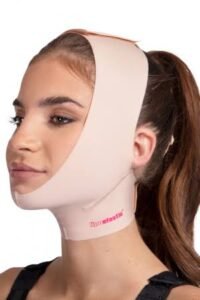
✓ Jaw bra (facial compression): limits swelling and supports the neck contour
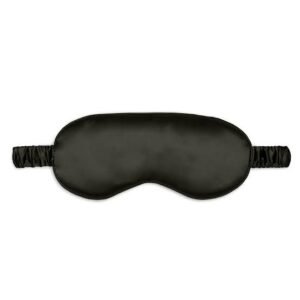
✓ Contoured night eye mask: keeps your eyes covered and protected from fans and dry air overnight
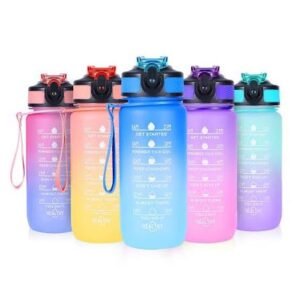
✓ Large reusable water bottle: steady hydration through recovery
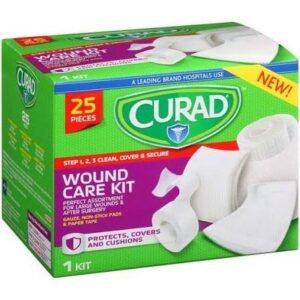
✓ Sterile dressing kit + Steri-Strips: for cleaning, redressing and supporting incisions
✓ Vaseline or Aquaphor: replaces medicated ointment after about 7 days
✓ Sunscreen + a wide-brimmed hat: keeps incisions out of the sun
✓ Lymphatic massage stone: moves lingering swelling out, once cleared

One click · Free guide
The Facial Rejuvenation Recovery Kit
16 essentials: Orgain Vegan Protein Shake · Weekly pill organizer · Medication and supplement log · Large reusable water bottle · Steri-strips · Sterile dressing kit · Neck and jaw support · Silicone scar sheets · Silicone scar gel · Facial massage jade roller · Fragrance-free moisturizer · Sunscreen · Vaseline · Miralax laxative powder · Olly Women's Multivitamin · Nature Made Zinc
Add the whole kit to your Amazon cart →Some surgeons supply the neck and jaw support or dressings, so remove anything you're given from your cart.
01
Nutrition
High-protein shakes to fuel healing
Facial surgery involves delicate incisions around the eyes, ears, hairline and lips, along with lifting and repositioning the tissues beneath the skin. Healing all of that depends on protein and overall nourishment, and inadequate nutrition is linked to slower healing and weaker wounds.1
Nutrition before surgery matters as much as after it. Blood markers such as albumin and prealbumin reflect how well nourished the body is, and in a study of more than 200,000 plastic surgery patients, low preoperative albumin was the strongest predictor of complications.2 Starting protein shakes in the weeks before surgery is recommended. They are especially useful afterward: chewing can feel stiff or sore after a facelift, neck lift or lip lift, and a shake delivers protein without much effort. Some people also add Juven, a drink mix made for wound-healing support with the amino acids arginine and glutamine, plus HMB, vitamin C and zinc. It mixes into water, so there's nothing to chew. It isn't a replacement for protein shakes, so ask your surgeon before adding it.
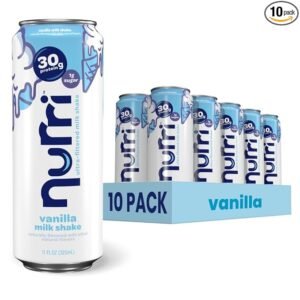
Ready to drink
Nutri protein shake, vanilla
A mild vanilla shake that is easy to sip when chewing is uncomfortable.
View on Amazon →
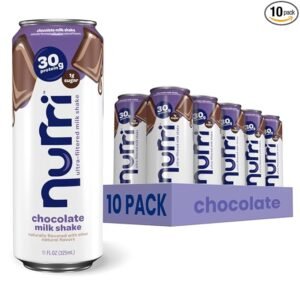
Ready to drink
Nutri protein shake, chocolate
The chocolate version, for variety through the first weeks.
View on Amazon →
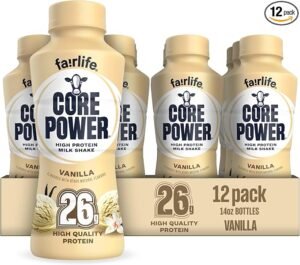
Dairy-based
Core Power protein shake, vanilla
A milk-based shake that is easy to keep cold and grab.
View on Amazon →
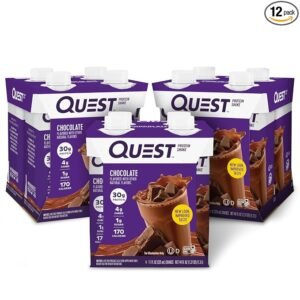
Low sugar
Quest protein shake, chocolate
A chocolate option for anyone keeping an eye on sugar.
View on Amazon →
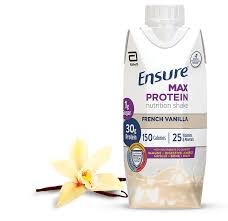
Classic choice
Ensure Max protein
A familiar option many patients find easy to sip when appetite is low.
View on Amazon →
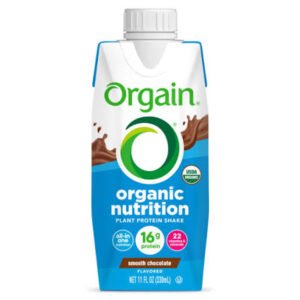
Plant-based
Orgain Vegan Protein Shake
A dairy-free option if milk-based drinks don't sit well after anesthesia.
View on Amazon →
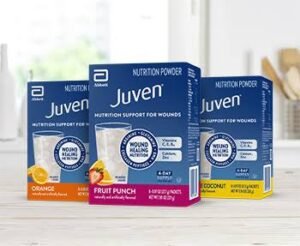
Healing support
Juven nutrition drink mix
A drink mix made for wound-healing support, with arginine, glutamine, HMB, vitamin C and zinc. No chewing needed. Ask your surgeon first.
View on Amazon →
02
Pain control
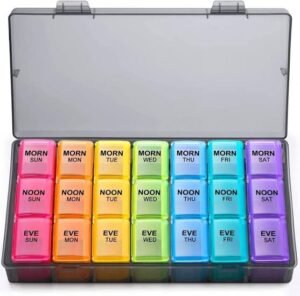
A pill organizer for surgeon-approved pain control
Pain after facial surgery is usually more manageable than after body procedures, but tightness, swelling and incision soreness are common in the first days, especially after a facelift or neck lift. A scheduled, staggered plan of surgeon-approved medications keeps discomfort steady and limits the need for opioids, which bring nausea and constipation.
Medication choice matters even more after facial surgery. A hematoma, a collection of blood under the skin, is the most common complication after a facelift, and aspirin, uncontrolled blood pressure and some anti-inflammatory medications all raise the risk.3 For that reason, many surgeons avoid NSAIDs such as ibuprofen after facial surgery, and some prescribe blood pressure medication for the first days. Taking only the medications the surgeon has approved, exactly on schedule, is strongly recommended, and a weekly organizer makes that easy to track.
Practical tip
Filling the organizer before surgery, including any blood pressure medication, and setting a phone alarm for each dose is recommended. Aspirin, fish oil, vitamin E and other supplements that can thin the blood should only be stopped or restarted exactly as the surgeon directs.
03
Swelling
Extra pillows and wedge support to bring swelling down
Swelling and bruising after facial surgery collect in the face and neck, and they are usually at their worst in the first two to three days. Keeping the head elevated above the heart, including overnight, lets gravity help that fluid drain away, which is why sleeping propped up on the back is commonly recommended for the first week or two.
A wedge or a stack of firm pillows makes that position comfortable through the night and keeps the head from rolling onto one side, which also protects incisions around the ears and eyes. Cold compresses, when the surgeon recommends them, add further relief.
A grabber (reacher) tool fits right in here. Bending down to pick something off the floor drops your head below your heart, which can send more swelling into your face, so a grabber lets you reach a fallen remote or slippers while you stay upright. You'll still want to get up and walk to the bathroom and kitchen yourself: those easy trips keep blood moving in your legs and help prevent clots.


04
Compression
A jaw bra for facial compression
After a facelift or neck lift, the skin and deeper tissues of the lower face and neck have been lifted and redraped. A facial compression garment, often called a jaw bra or chin strap, applies gentle, even pressure along the jawline and neck. That helps limit swelling and fluid buildup, supports a clean neck contour and helps the tissues heal in their new position.
Wearing the garment exactly as directed is recommended, which often means around the clock at first and then at night for a few more weeks. It should feel snug but never tight enough to restrict breathing or swallowing, or to press hard on the incisions around the ears.
05
Eye protection
A night eye mask to protect your eyes overnight
After eyelid surgery, a brow lift or a facelift, swelling and tightness can keep your eyelids from closing all the way for a while, especially when you sleep. Even a small gap lets your eyes dry out overnight, and a fan, air vent or AC blowing across the bed makes it worse. A soft night eye mask keeps your eyes covered, shields them from moving air and helps hold in the moisture and any lubricating drops or ointment your surgeon prescribes.
Choose a contoured mask with raised eye cups, so nothing presses on your eyelids, and keep the strap away from incisions around your ears and hairline. Ask your surgeon when to start wearing it, and call them if your eyes feel gritty or painful or look very red. And yes, blocking out the light is a bonus: you might just get an extra good night's sleep out of it.
06
Hydration
A large water bottle to stay well hydrated
Staying well hydrated supports healing, helps the body recover from anesthesia and eases the constipation that pain medication can cause. It is often harder than expected after facial surgery, when the face feels tight and getting up is a chore. A large bottle kept within reach makes it easy to sip steadily through the day, and one with an easy-open lid helps when the lips or jaw feel stiff.
Facial surgery kit
Want everything on this list in one place?
See the face and neck recovery picks, plus protein, wound care and scar care, organized by category.
07
Incision care
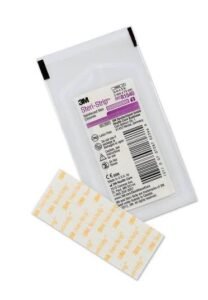
A sterile dressing kit and Steri-Strips for incision care
Facial incisions are placed to hide in natural lines: around the ears and into the hairline for a facelift or neck lift, in the eyelid crease or just below the lashes for blepharoplasty, along the hairline for a brow lift, and under the nose for a lip lift. They are small but highly visible, so careful care matters. Having a sterile dressing kit and Steri-Strips ready before surgery is recommended, so incisions can be cleaned, redressed and supported exactly as instructed. Steri-Strips are thin adhesive strips that help hold a closed incision together. Use them only where and when your surgeon directs, and let them fall off on their own unless you're told otherwise.
Hands should be washed before touching any incision. Spreading redness, increasing pain, drainage or a fever should be reported to the surgical team.
08
Early scar care
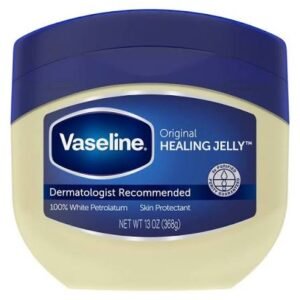
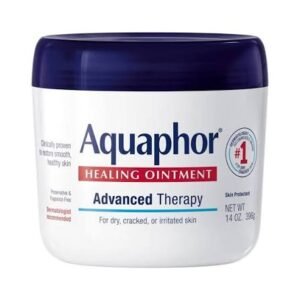
Vaseline or Aquaphor instead of medicated ointment
In the first days, many surgeons recommend an antibiotic ointment on fresh incisions. After about seven days, switching to plain petrolatum, such as Vaseline or Aquaphor, is commonly recommended, because antibiotic ointments can irritate delicate facial skin with longer use. In a randomized trial of more than 900 surgical patients, infection rates were not significantly different between plain white petrolatum and bacitracin, and only the bacitracin group developed allergic skin reactions.4
A thin layer keeps incisions moist, which helps them heal smoothly with less crusting. The switch should happen only when the surgeon advises, and ointment should be kept out of the eyes.
09
Scar care
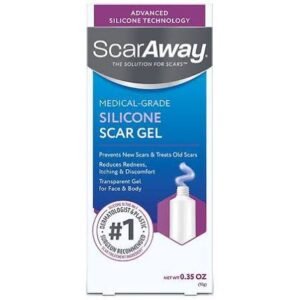
Silicone scar gel or scar tape for facial scars
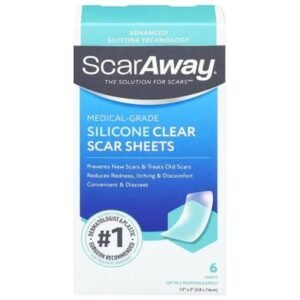
Once incisions are fully healed and the surgeon gives clearance, silicone is the first-line scar treatment in international guidelines.5 It comes in two easy forms, gel or tape, and both work well on the face. A thin layer of silicone gel dries into a flexible film, which makes it the best fit for the eyelids, where tape won't stay put. Silicone scar tape suits flatter, steadier spots: the forehead after a brow lift, around and behind the ears after a facelift, and under the chin after a neck lift. Pick whichever fits the spot you're treating.
Facial and eyelid skin tends to heal exceptionally well. A 2025 randomized trial of upper-eyelid incisions found that silicone gel and plain petrolatum ointment gave similar results,6 so on the eyelids either may be used as the surgeon advises. Silicone gel should be kept out of the eyes and used only where the surgeon approves.
Made for the face
Silicone scar gel
Dries into a thin, flexible film that stays put on facial skin where sheets won't stick.
View on Amazon →
Forehead, ears, chin
Silicone scar tape
Flexible silicone tape for flatter spots like the forehead, behind the ears and under the chin, once healed.
View on Amazon →
10
Sun protection
A hat and sunscreen to keep incisions out of the sun
Facial incisions are exposed to light every day, and sun on a healing scar can darken it and make it more noticeable for a long time. Keeping incisions out of direct sun is recommended for months after surgery, not just weeks.
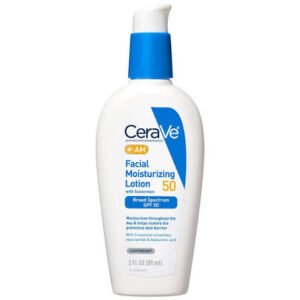
A wide-brimmed hat is the first line of protection in the early weeks, while incisions are still healing and sunscreen should not go on them. Once the incisions are fully closed and the surgeon approves, a broad-spectrum sunscreen on the scars and the rest of the face every day adds the next layer.
11
Lymphatic massage
A massage stone for gentle lymphatic drainage later on
Swelling after facial surgery fades in stages, and some residual fullness can linger for weeks to months. Once everything has significantly healed and the surgeon gives clearance, gentle lymphatic massage with a cool stone or roller can help move that fluid out of the face and toward the lymph nodes in the neck.
Light pressure is key: slow strokes outward from the center of the face and down toward the neck, staying off any tender or still-healing areas. It should never be started early, since pressure on fresh tissue can do more harm than good.

12
Skin care
A fragrance-free moisturizer for healed skin
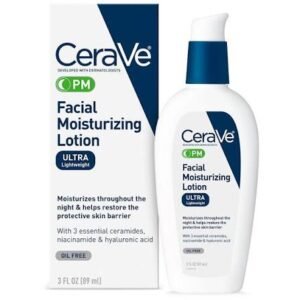
Facial skin often feels dry and tight for weeks after surgery. Once incisions are fully healed, a fragrance-free moisturizer at night keeps the skin comfortable and supple without the irritation that fragrances and harsh ingredients can cause on sensitive, recovering skin. It should not be applied to open or still-healing incisions.
A rough recovery timeline
Every procedure, surgeon and patient is different, but this is how facial surgery recovery commonly unfolds, and when each item on the list matters most.
Days 1–3
Head elevated day and night, jaw bra on, cold compresses if recommended, medications on schedule, and protein and fluids even when appetite is low. Swelling and bruising usually peak now.
Week 1
Swelling and bruising start to fade. Stitches are often removed around this time, and many surgeons switch incisions from antibiotic ointment to plain petrolatum.
Weeks 2–3
Many patients feel comfortable in public again, with a hat to keep incisions out of the sun. Silicone scar gel and sunscreen can start once the surgeon confirms the incisions have healed.
6 weeks +
Most visible swelling has settled, and gentle lymphatic massage can help with what remains once the surgeon clears it. Subtle swelling can take several months to fully resolve.
Common questions
What should I buy before a facelift or eyelid surgery?
Protein shakes, a pill organizer, a wedge pillow, a grabber tool, a jaw bra, a night eye mask, a large water bottle, a sterile dressing kit, Steri-Strips and Vaseline or Aquaphor. Silicone scar gel or scar tape, sunscreen, a massage stone and a fragrance-free moisturizer come later, once the incisions have healed.
How long should I sleep elevated after facial surgery?
Commonly for the first one to two weeks, while swelling is at its worst. Following the surgeon's specific instructions is recommended.
Can I take ibuprofen after a facelift?
Only if the surgeon approves it. Because bleeding under the skin (hematoma) is the most common facelift complication, many surgeons avoid NSAIDs such as ibuprofen, as well as aspirin, after facial surgery.
Can silicone scar gel be used on the eyelids?
Some surgeons recommend it once the incisions are fully healed, but it must be kept out of the eyes. Research suggests eyelid scars heal similarly with silicone gel or plain petrolatum ointment, so either may be used as the surgeon advises.
When to call your surgeon
Some swelling, bruising and a little spotting on your dressings are a normal part of healing. If you notice significant swelling, especially on one side of your face or neck, or bleeding that soaks through your dressings, give your surgeon's office a call so they can take a look. The same goes for any change in your vision after eyelid surgery. And if you ever have trouble breathing or swallowing, call 911.
References
Reviewed by the Recovery Blueprint MD team. Last updated September 2026.
This guide is general education, not medical advice. Every patient and procedure is different, and a surgeon's own instructions should always take priority.
How products are selected: each product fits a category that is commonly recommended in surgical recovery. Some links below are affiliate links. As an Amazon Associate, Recovery Blueprint MD earns from qualifying purchases, at no extra cost to you.