
Your preparation roadmap
The work you do before surgery matters.
Preoperative optimization brings together the fundamentals that can help you arrive at surgery in the best condition your medical team recommends.
Hand-picked nutrition and prep gear
Compression, wound care and scars
Free guides and hand-picked gear. Some links are affiliate links, so we may earn a commission at no extra cost to you.

The roadmap
Your 4-part preparation roadmap
Four things to get right before surgery day. Tap any step to jump straight to it.
01
Nutrition
Build a strong nutritional foundation with balanced meals, adequate protein, and appropriate hydration.
Go to nutrition ↓
02
Supplements
Know what belongs in your routine, and what needs to be discussed or paused before surgery.
Go to supplements ↓
03
Conditioning
Maintain appropriate movement and physical readiness based on your procedure and medical guidance.
Go to conditioning ↓
04
Recovery planning
Prepare your home, transportation, support system, and recovery essentials before surgery day.
Go to planning ↓
01 · Nutrition
Build your nutritional foundation before surgery.
Your body needs energy and nutrients to support the demands of surgery and healing. Prioritize a balanced eating pattern and discuss any nutritional concerns with your surgical team, particularly if you have dietary restrictions or difficulty maintaining adequate intake.
Protein
Include protein-rich foods throughout your day according to your dietary needs.
Whole foods
Build meals around nutrient-dense foods rather than heavily processed convenience foods.
Hydration
Maintain appropriate fluid intake and follow any fasting instructions from your medical team.

Easy protein picks to start with

Nutri protein shake, vanilla
View on Amazon →

Nutri protein shake, chocolate
View on Amazon →

Core Power protein shake, vanilla
View on Amazon →
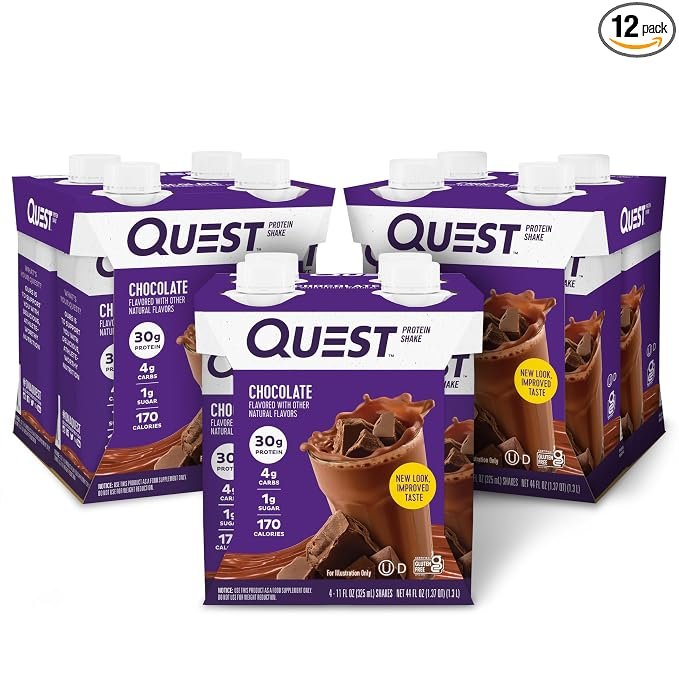
Quest protein shake, chocolate
View on Amazon →

Ensure Max protein
View on Amazon →

Orgain Vegan Protein Shake
View on Amazon →
As an Amazon Associate we earn from qualifying purchases. Check with your surgical team before changing your diet or fasting instructions.
02 · Supplements
Before adding anything, know what to stop.
Supplements are not automatically safe around surgery. Your surgeon and anesthesia team should know about every vitamin, herbal product, supplement, and medication you take, because some products may affect bleeding, anesthesia, or other aspects of your care.
What to disclose
Vitamins, herbs, supplements, prescriptions, and over-the-counter medications.
What to review
Ask which products should continue, change, or be temporarily stopped.
What not to guess
Never make last-minute medication or supplement changes without medical guidance.

Tools to keep your list straight
Organize
Weekly pill organizer
Keep approved medications sorted and easy to track.
See picks →
Add product photo
Track
Medication and supplement log
Write down every product and dose to share with your team.
See picks →
Add product photo
Prepare
Pre-op questions notebook
Capture questions for your surgeon and anesthesia team.
See picks →
Add product photo
Recovery Blueprint MD shares general education, not medical advice. Always follow your surgeon's instructions. Some links are affiliate links.
03 · Physical conditioning
Get your body ready for the demands of recovery.
Appropriate physical activity before planned surgery can help improve overall fitness and prepare you for recovery. The right routine depends on your health, procedure, and current fitness level, so follow guidance from your surgeon, physician, or physical therapist.
Move
Walking and other appropriate activity can help maintain baseline fitness.
Strengthen
Procedure-specific conditioning may help prepare the muscle groups you'll rely on during recovery.
Rest and recover
Don't turn preparation into overtraining. Build consistency rather than pushing through pain or exhaustion.

Gentle gear for pre-op movement
Move
Supportive walking shoes
Comfortable footwear for daily walks.
See picks →
Add product photo
Strengthen
Light resistance bands
Low-impact conditioning, if your team approves.
See picks →
Add product photo
Recover
Exercise and stretching mat
A comfortable surface for gentle stretching.
See picks →
Add product photo
Recovery Blueprint MD shares general education, not medical advice. Check with your surgeon before starting any exercise plan. Some links are affiliate links.
04 · Recovery planning
Set up your space before you need it.
A little planning before surgery can make the first days at home easier. Think about what you'll need within reach, how you'll get around safely, where you'll rest, and who can help with everyday tasks.
Bed and rest area
Extra pillows, phone charger, water bottle, medications as directed, small bedside organizer.
Kitchen
Easy meals, protein-rich foods, hydration, convenient snacks.
Bathroom
Frequently used toiletries, easy-to-reach essentials, safety equipment when recommended.
Mobility
Clear walking paths, comfortable footwear, recommended mobility equipment.
Home-recovery essentials to line up now
Rest
Bedside organizer
Keep your phone, charger and medications within reach.
See picks →
Add product photo
Comfort
Extra pillows and wedge support
Comfortable positioning for the first days at home.
See picks →
Add product photo
Hydration
Large reusable water bottle
Make steady hydration effortless.
See picks →
Add product photo
Follow your surgeon's instructions for any equipment or supplies. Some links are affiliate links, so we may earn a commission at no extra cost to you.
Prepare → Procedure → Recover
Your preparation doesn't end on surgery day.
Once your procedure is complete, your priorities change. Learn how to protect your incision, manage swelling, move safely, and make recovery more comfortable.